Egyptian Idioms
Date: July 20, 2024
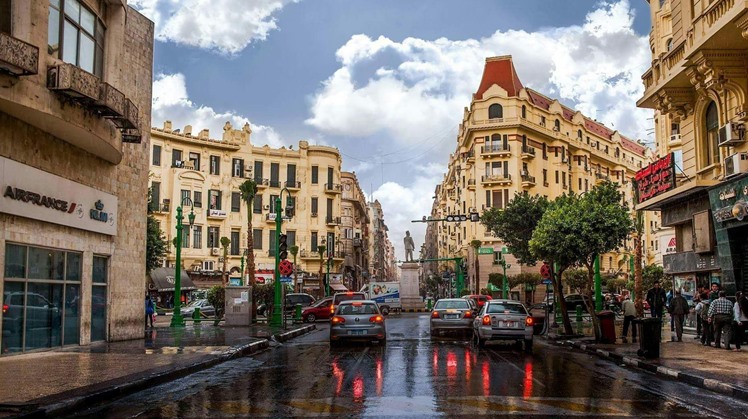
Idioms & proverbs can be one of the most advanced ways to communicate with people in their native languages. Egyptians, one of the oldest nations and civilizations in the world, use idioms daily, with each idiom holding a story. In this article, we have collected one of the most used Egyptian idioms that only native & fluent speakers are familiar with.
1. "Fel Meshmesh"
Literal Translation: “In the apricots”
Usage: Egyptians use “Fel Meshmesh” when there is something that will never happen or the probability of it happening is very low.
Example: “We are so late! fel meshmesh we are going to arrive on time!”
Story Behind It: Why apricots? The stories behind this proverb have more than one version. One of them says that the apricot season was very short in Egypt, only lasting one month in the year when tax collectors wanted to collect taxes from fruit merchants they would tell them “in the apricot” meaning that the tax collectors would wait for the next season.
2. "Dee Kousa"
Literal Translation: “That’s a zucchini”
Usage: Egyptians use “dee kousa” when someone is not following the law or someone bending the law for someone else.
Example: “the referee saw the player do something wrong and yet he didn’t act, dee kousa!”
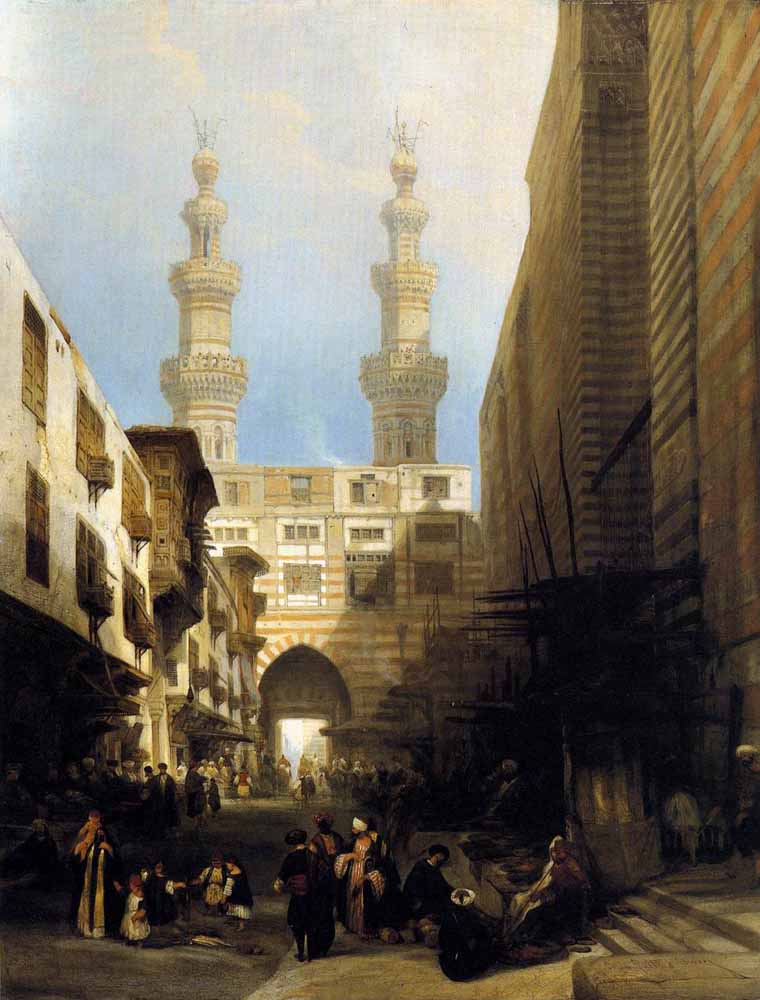
Story Behind It: hundreds of years ago, many merchants and trade convoys came to Cairo with their goods for trade. Cairo at that time was surrounded by a wall and people only entered through gates. At these gates were goods checkers whose job was to check the goods and collect taxes, and this process could take so much time to check every trader. So zucchini merchants always crossed the long line with the excuse that they got zucchini and that it can be spoiled quickly, so goods checkers usually allowed them to cross the line and pass quickly.
3. "Elli Ekhtasho Mato"
Literal Translation: “The ones who were shy died”
Usage: Egyptians use “eli ekhtasho mato” when dealing with someone who is not acting in a polite way, pointing that there are no shy people anymore.
Example: “you see that girl shouting at the old lady? Eli ekhtasho mato really.”
Story Behind It: long ago, Cairo had many public baths. in these baths, they used some coal or wood to heat the water; so one day, one of the women only public baths was caught on fire! Many women rushed with their lives outside without putting on their clothes. Some of them refused to run outside without anything to cover. The owner asked about where are the rest? and they told “the ones who were shy died”
4. "Elli A'la Raso Bat-h'a"
Literal Translation: “The one who has a head wound”
Usage: Egyptians use “elli a’la raso bat-h’a” when talking about something and someone get offended by it when you don’t mean to.
Example: “why you get offended when I ask about who ate my snacks? elli a’la raso bat-h’a or what?”
Story Behind It: one day, a man in a village realized that someone is stealing his chicken so he went to the village’s sheikh [chief] and told him what happened. The sheikh tried to do a trick to catch the thief so he gathered the man and the suspects and told them “I know who stole this man’s chicken and I knew because there is a feather on his head.” So the thief started quickly to clean his head and that’s how the sheikh knew the thief. Later, the idiom was changed from head feather to head wound but it remained the same usage.
5. "A'mel Men Banha"
Literal Translation: “Acting like you are from Banha”
Usage: Egyptians use “a’mel men banha” when they describe someone that’s acting like they don’t know something or using tricks to not get involved.
note:
A’mel if you are talking about a male
A’mla if you are talking about a female
A’mleen if you are talking about a group
Example: “my friend a’mel men banha when I told him I need help in the assignment. He doesn’t even answer the phone”
Story Behind It: Banha (the capital of Al-Qalyubia Governorate) is a major city that is close to Cairo. People who took the train from Cairo and were leaving in Banha used to not pay for the tickets because it was a short distance. Some people started to act that they are leaving in Banha to avoid paying for the tickets.
6. "Dah'na Dafnino Sawa"
Literal Translation: “We buried it together”
Usage: Egyptians use “dah’na dafnino sawa” when talking about someone who believe their own lies
Example: “my friend really thinks that he is sick, even if he told me before that he was acting. Dah’na dafnino sawa.”
Story Behind It: long ago, two merchants had a donkey called Abu Al Sabr [master of patience]. When Abu Al Sabr died they buried it and then they were so sad about it that they started crying. People gathered and asked who are you crying about and the two merchants said he is Abu Al Sabr. The people thought that Abu Al Sabr is a holy person or something and they started putting gifts and flowers on his grave, while the two merchants collected the gifts secretly and divided it between them by half. One day, one of these merchants took the share of the other, so he complained that the gifts are for the holy person Abu Al Sabr. His friend told him “holy person? did you forget? we buried it together.”