Celebrations In Egypt
Date: July 21, 2024
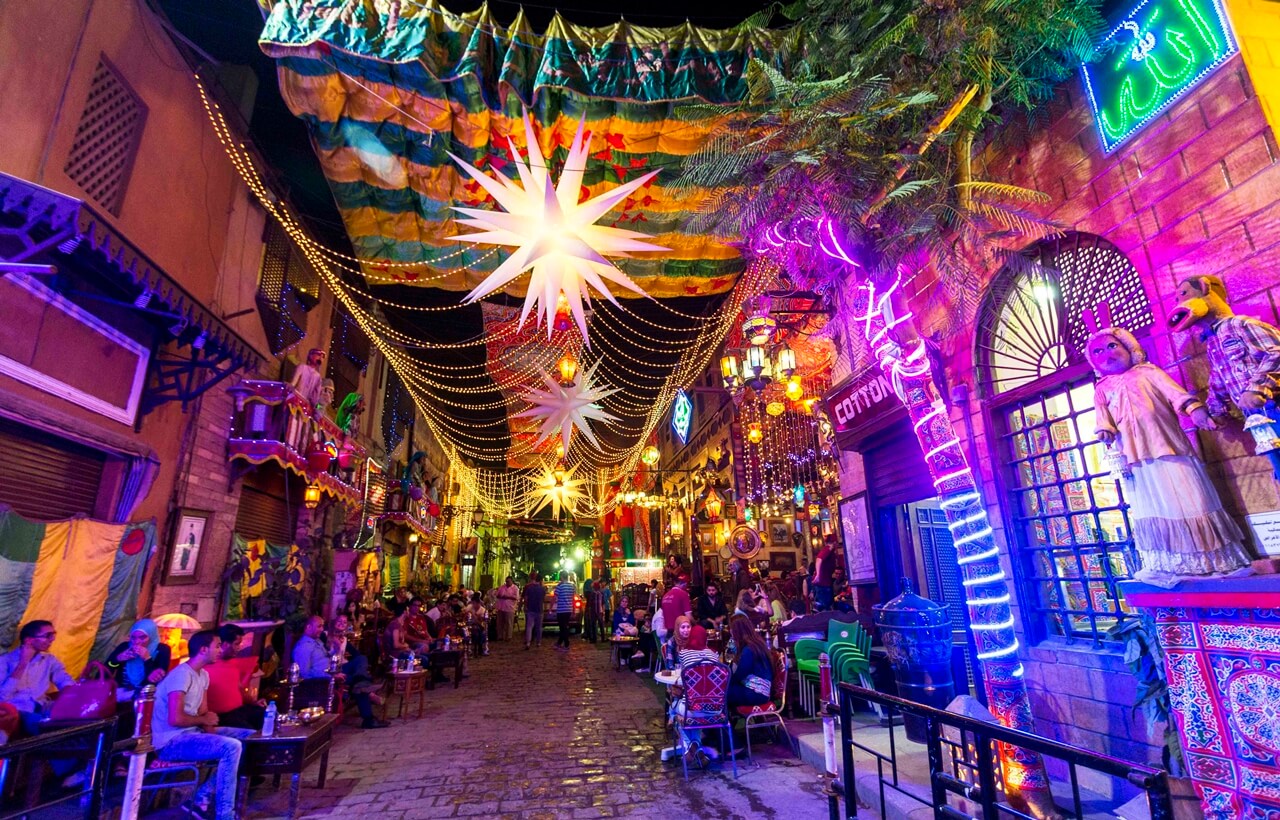
The Holy Month of Ramadan
Ramadan is the ninth month of the Islamic lunar calendar, observed by Muslims worldwide as a time of fasting, prayer, reflection, and community. From dawn until sunset, Muslims abstain from food, drink, smoking, and marital relations, focusing instead on spiritual growth and self-discipline. The fast, called Sawm, is one of the Five Pillars of Islam, meant to foster empathy for the less fortunate, purify the soul, and increase closeness to God. Each day concludes with the Iftar meal (the meal breaking the fast at sunset) often shared with family and friends.
During Ramadan, Egyptians embrace a vibrant blend of traditions and community spirit. Streets and homes are adorned with colorful lanterns called “fawanees,” illuminating the night. Families gather for Iftar, often starting with dates and followed by hearty dishes like ful medames and molokhia. Mosques host extended prayers known as Tarawih, fostering a sense of unity. Charity plays a crucial role, with many giving generously to the less fortunate, embodying the month’s spirit of compassion and generosity.
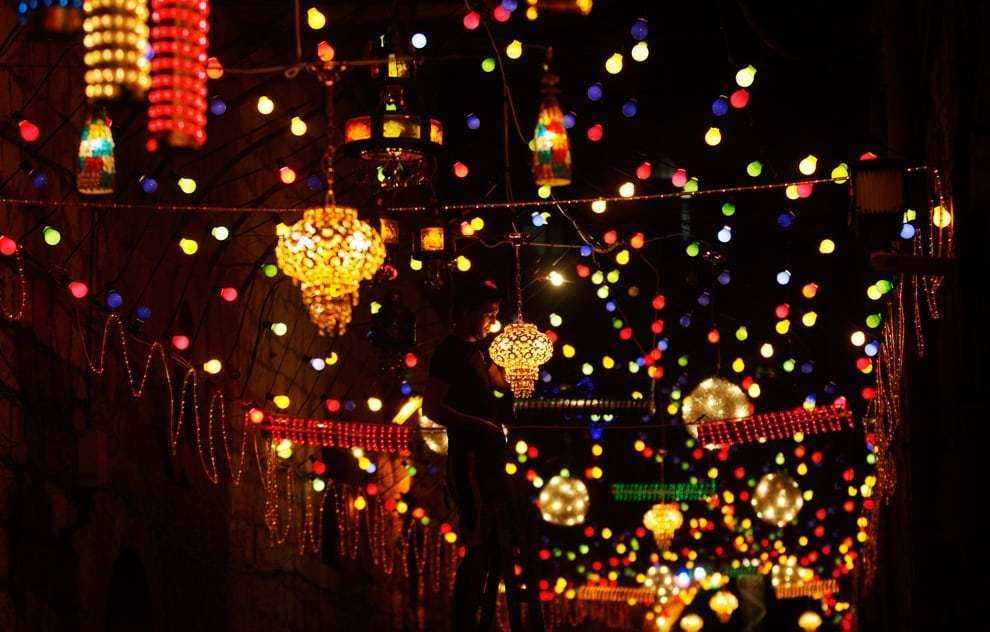
Decorations in Ramadan
Eid El Fitr
Eid El Fitr [Eid means celebration, and El Fitr means fast breaking], marking the end of Ramadan, is a joyous celebration filled with gratitude and festivity. Muslims begin the day with a special prayer at mosques, followed by heartfelt greetings of “Eid Mubarak” [have a celebration full of blessings] Families gather for lavish breakfasts, enjoying traditional sweets like kahk and biscuits. New clothes are worn, and homes are filled with laughter and hospitality. Visiting friends and relatives, giving gifts, and donating to the needy are common practices, reinforcing community bonds. Streets and parks bustle with life as children enjoy rides and games, capturing the essence of a festive and communal spirit after a month of fasting.
Eid El Adh'a
Eid El Adh’a [Celebration of Sacrifice],” commemorates Prophet Abraham’s devotion and willingness to sacrifice his son as mentioned in the Biblical & Quranic story. The celebration begins with a special prayer at dawn, followed by sacrificing, where sheep, goats, or cows are sacrificed. The meat is distributed among poor people and the less fortunate as well as family and friends, embodying generosity and compassion. Families gather for festive meals, sharing dishes like fattah and grilled meats. The day is filled with social visits, exchanging greetings of “Eid Mubarak,” and giving gifts. Streets are lively with children playing and families enjoying the joyous atmosphere of this significant Islamic holiday.
Coptic Christmas
Coptic [Egyptian] Christmas, celebrated on January 7th, is a significant and joyous occasion for Egypt’s Christian community. Festivities begin with a special midnight mass at churches, where worshippers gather to commemorate the birth of Jesus Christ. Homes and streets are adorned with lights and decorations, creating a festive atmosphere. Traditional foods like “fatta” are enjoyed, symbolizing abundance and celebration. Families and friends exchange gifts and greetings of “Eid Milad Majid” [Merry Christmas]. Acts of charity and kindness are emphasized, reflecting the holiday’s spirit of love and compassion. The celebration fosters a sense of unity and joy, highlighting Egypt’s rich cultural and religious diversity.
Sham El Nessim
Sham El Nessim, celebrated on the Monday following Coptic Easter, is a unique Egyptian holiday marking the arrival of spring. Rooted in Ancient Egyptian traditions, it is a day of outdoor festivities and family gatherings. Egyptians flock to parks and gardens, enjoying picnics with traditional foods like “feseekh” (salted fish), green onions, and colored eggs. The air is filled with the scent of blooming flowers and the laughter of children playing games. People also visit the Nile, taking boat rides to revel in the pleasant weather. Sham El Nessim embodies joy, renewal, and a deep connection to Egypt’s rich cultural heritage.
6th of October & Sinai Liberation Days
The 6th of October and Sinai Liberation Day are significant celebrations in Egypt, marking the nation’s resilience and pride. The 6th of October commemorates the surprise attack during the 1973 War, leading to the eventual crossing of the Suez Canal. It is celebrated with military parades, patriotic songs, and public speeches honoring the bravery of the Egyptian armed forces. Sinai Liberation Day, observed on April 25, celebrates the complete withdrawal of Israeli forces from the Sinai Peninsula in 1982. Festivities include cultural events, fireworks, and nationalistic displays, highlighting Egypt’s triumph and sovereignty, and fostering a deep sense of unity and national pride.
23rd of July Revolution
The 23rd of July Revolution in Egypt, celebrated annually, marks the pivotal moment in 1952 when the Free Officers Movement, led by General Mohamed Naguib and Colonel Gamal Abdel Nasser, successfully ended the regime of King Farouk I. This revolution ended centuries of monarchical rule, leading to the establishment of a republic. The day is commemorated with national pride, reflecting on the profound changes in Egypt’s social, political, and economic landscape. Parades, cultural events, and patriotic displays honor the revolution’s freedom, sovereignty, and social justice ideals. The celebration serves as a reminder of the nation’s journey toward independence and its aspirations for a prosperous future.
25th of January & 30th of June Revolutions
The 25th of January and 30th of June revolutions in Egypt are celebrated as significant milestones in the country’s modern history. The 25th of January Revolution in 2011 marked the start of widespread protests that led to the end of President Hosni Mubarak’s 30-year rule, driven by demands for freedom, justice, and economic reforms. The 30th of June Revolution in 2013 saw massive demonstrations that resulted in the ousting of President Mohamed Morsi, emphasizing the public’s demand for political stability and inclusive governance. These days are commemorated with events, parades, and public gatherings, reflecting the Egyptian people’s resilience and pursuit of democratic ideals.