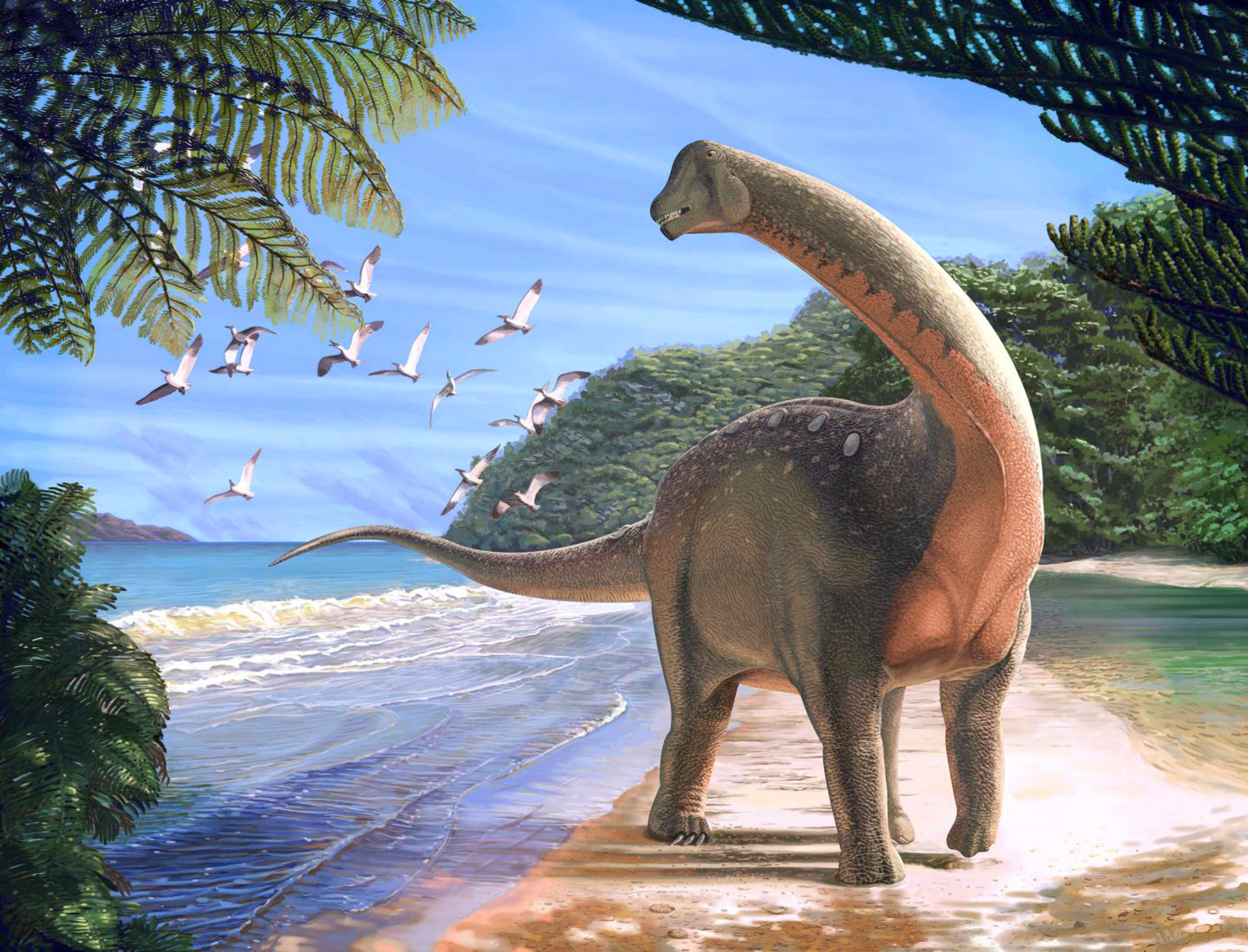
The discovery of Mansourasaurus shahinae, a titanic herbivore from the Late Cretaceous period, marks a significant milestone in paleontology, particularly in Africa. This remarkable find offers critical insights into the biogeographical connections of dinosaurs on the African continent. Unearthed in the Dakhla Oasis of Egypt, Mansourasaurus has illuminated a previously obscure chapter of Africa’s prehistoric past, bridging gaps in our understanding of dinosaur evolution and migration patterns.
Discovery
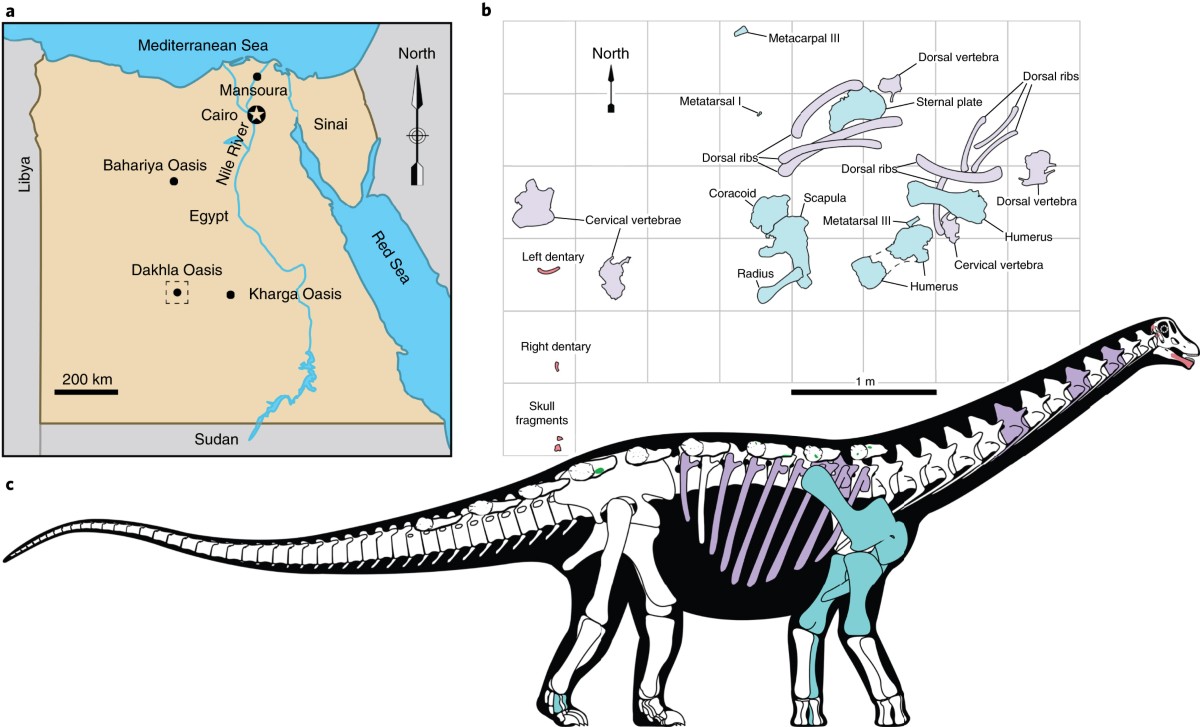
Mansourasaurus was discovered in 2013 by a team of Egyptian paleontologists from Mansoura University, led by Dr. Hesham Sallam. The fossils were found in the Dakhla Oasis in the Egyptian Sahara, an area that has long intrigued paleontologists due to its rich sedimentary deposits from the Late Cretaceous period. The discovery site, within the Quseir Formation, provided a treasure trove of well-preserved fossils, allowing researchers to piece together the anatomy of this colossal dinosaur.
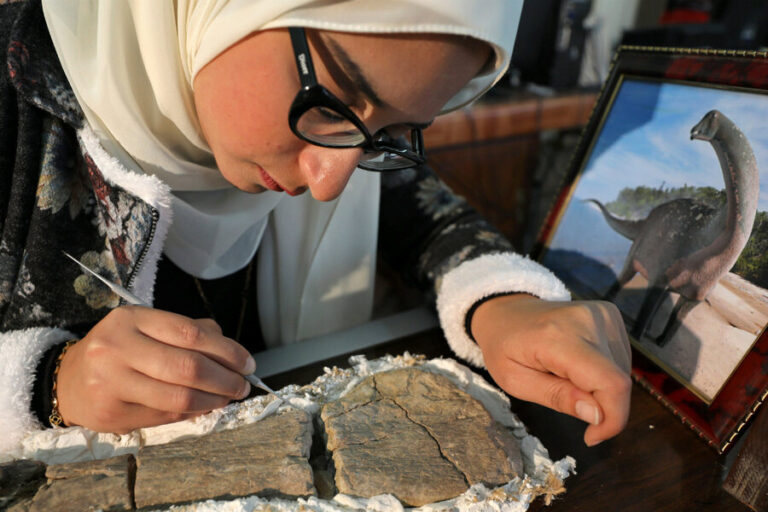
The meticulous excavation process involved carefully unearthing the fossilized bones from the surrounding rock matrix. This painstaking work was essential to preserve the delicate structures and ensure accurate identification and analysis. Over several years, the team managed to recover a significant portion of the dinosaur’s skeleton, including parts of the skull, jaw, neck vertebrae, ribs, shoulder, and limb bones. These findings were crucial for understanding the physical characteristics and classification of Mansourasaurus.
The Image shows the parts of the dinosaur's skeleton discovered
Origin and Classification
Mansourasaurus belongs to the titanosaur clade, a diverse group of sauropod dinosaurs known for their massive sizes, long necks, and robust bodies. Titanosaurs were among the last surviving sauropods before the mass extinction event at the end of the Cretaceous period. Mansourasaurus is estimated to have lived around 80 million years ago, during the Maastrichtian stage of the Late Cretaceous.
The anatomical features of Mansourasaurus indicate that it was a relatively medium-sized titanosaur, measuring approximately 10 meters (33 feet) in length and weighing around 5.5 metric tons (12,000 pounds). Despite its size, Mansourasaurus was smaller compared to some of its titanosaur relatives, such as Argentinosaurus, which could reach lengths of over 30 meters (98 feet). Its limb bones suggest a robust and well-muscled animal, adapted for supporting its considerable bulk.
Name and Significance
The name Mansourasaurus shahinae honors both the institution and individuals responsible for its discovery. “Mansoura” refers to Mansoura University, highlighting the contribution of this Egyptian institution to paleontological research. The species name “shahinae” pays tribute to Mona Shahin, a key supporter of the university’s vertebrate paleontology initiative. This nomenclature not only acknowledges the scientific achievement but also emphasizes the collaborative effort behind the discovery.
The discovery of Mansourasaurus is significant for several reasons. Firstly, it provides the most complete dinosaur skeleton from the Late Cretaceous of mainland Africa, a period from which very few dinosaur fossils have been found on the continent. This completeness allows paleontologists to gain a better understanding of the anatomy of African titanosaurs. Secondly, the geological age of Mansourasaurus places it at a crucial point in time when Africa’s landmass was largely isolated from other continents. This isolation had profound effects on the evolution of its dinosaur fauna.
Biogeographical Implications
One of the most intriguing aspects of Mansourasaurus is its biogeographical implications. During the Late Cretaceous, the continents were in the process of drifting towards their present positions, but Africa was relatively isolated. This isolation has led to debates about the extent of faunal interchange between Africa and other landmasses during this period. The anatomical features of Mansourasaurus show affinities with both African and Eurasian titanosaurs, suggesting some degree of faunal exchange.
The presence of Mansourasaurus in Africa indicates that there may have been dispersal routes between Africa and other continents, allowing for the movement of species. This challenges previous assumptions about the extent of Africa’s isolation and provides new insights into the biogeographical patterns of the Late Cretaceous. It suggests that Africa was not as completely isolated as previously thought, allowing for intermittent connections that facilitated the spread of species like Mansourasaurus.
Conclusion
The discovery of Mansourasaurus shahinae is a landmark event in the field of paleontology, shedding light on a previously obscure chapter of Africa’s prehistoric past. Unearthed in Egypt’s Dakhla Oasis, this medium-sized titanosaur provides valuable insights into the historical and biogeographical connections of dinosaurs during the Late Cretaceous period. The collaborative efforts of Egyptian scientists from Mansoura University underscore the importance of regional research initiatives in uncovering and understanding the rich prehistoric heritage of Africa. As more discoveries are made, Mansourasaurus will continue to play a crucial role in unraveling the complex tapestry of dinosaur evolution and migration across ancient continents.
It is a new information for me