EGYPLORE!

TM

The Evolution of The Flag of Egypt

Date: August 25, 2024

flag, egypt, africa

The flag of Egypt, like many national symbols, represents the rich history, cultural heritage, and political changes the nation has undergone throughout its long existence. The evolution of the Egyptian flag is a journey that reflects the country’s transitions from ancient times, through colonization, and into its current status as a modern republic. This essay delves into the detailed history of the Egyptian flag, highlighting the significant changes and their historical contexts.

Ancient Egypt: The Early Symbols

In ancient Egypt, there was no national flag in the modern sense, but the civilization had various symbols representing different aspects of the state, deities, and the pharaohs. The most notable symbols were the “serekh” and the “cartouche,” which encased the names of the pharaohs, symbolizing their divine authority. The “Was” scepter, the “Ankh,” and the “Djed” pillar were also prominent symbols often seen in ancient Egyptian iconography, representing power, life, and stability, respectively. These symbols were not flags but were used in processions, religious ceremonies, and depicted on monuments, serving a similar purpose to that of a national flag today.

The Ottoman Empire and the First Egyptian Flag

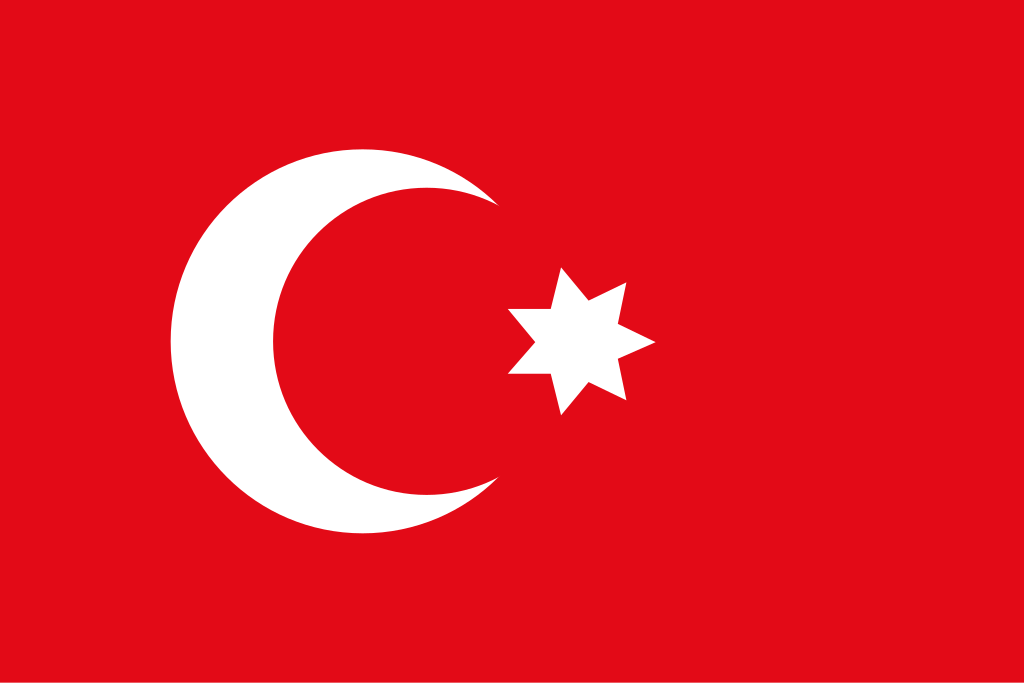
Egypt became part of the Ottoman Empire in 1517, which led to the introduction of the Ottoman flag. This flag was red with a white crescent and star, a symbol that became widespread in the Islamic world. However, Egypt maintained a degree of autonomy under the Mamluks and later Muhammad Ali Pasha, who is often considered the founder of modern Egypt. Under Muhammad Ali’s rule (18051848), Egypt began to use its distinct flag.

The Ottoman Flag

In 1826, Muhammad Ali introduced the first flag of Egypt, which bore a striking resemblance to the Ottoman flag but included three white stars and crescents arranged diagonally on a red background. The three stars and crescents symbolized the victories of Muhammad Ali in Egypt, Sudan, and Arabia. This flag marked the beginning of Egypt’s attempts to establish its identity within the Ottoman framework.

(1862 - 1882)

The Khedivate of Egypt: A Shift Towards National Identity

In 1867, Egypt was granted the status of a Khedivate by the Ottoman Sultan, which was a significant step toward greater autonomy. During this period, the flag evolved to reflect Egypt’s emerging national identity. The Khedivate flag retained the red background but featured a golden crescent and three golden stars. This flag was used until 1882 when Egypt became a British protectorate, leading to another shift in its national symbols.

The British Protectorate: 1882-1922

When the British established a protectorate over Egypt in 1882, the country’s sovereignty was significantly diminished. During this period, the Egyptian flag was often replaced by the British Union Jack. However, Egypt still used a version of the Khedivate flag domestically, which remained a symbol of Egyptian identity and resistance to foreign domination.

The growing nationalist movement in Egypt, led by figures like Saad Zaghloul, demanded independence from British rule. The flag became a symbol of this struggle, and the use of the Khedivate flag persisted in nationalist circles as a defiant gesture against colonial rule.

The Kingdom of Egypt: 1922-1953

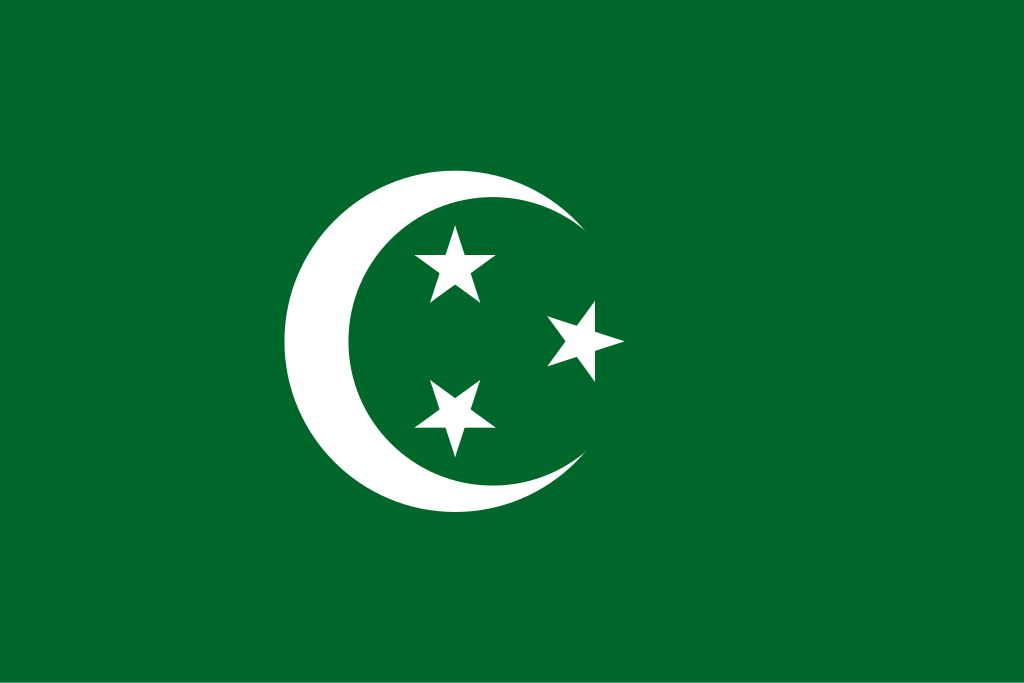
(1922 - 1953)

Egypt achieved partial independence in 1922, becoming a kingdom under King Fuad I. With this change, a new flag was introduced in 1923. The flag featured a green background with a white crescent and three stars. The green color symbolized the lush land of Egypt, the crescent represented Islam, and the three stars symbolized the three main religious communities in Egypt: Muslims, Christians, and Jews. Some sources also says that the three stars represented the lands ruled by the King: Egypt, Nubia, and Sudan. This flag represented Egypt during a time of national reawakening and was in use until the abolition of the monarchy in 1953.

The Republic of Egypt: 1953-1958

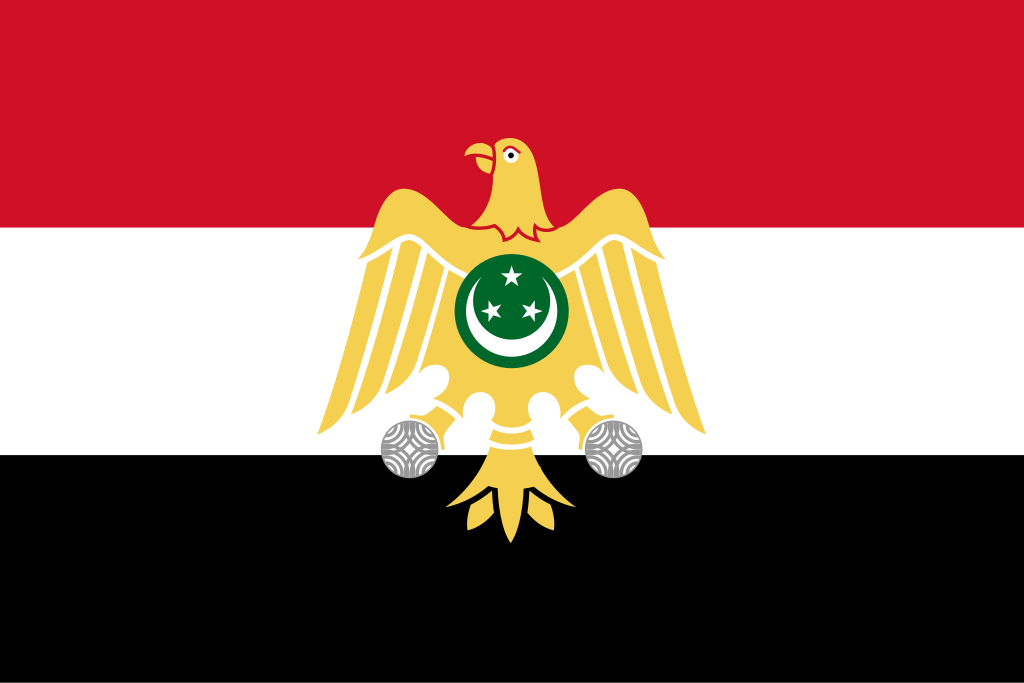
(1953 - 1958)

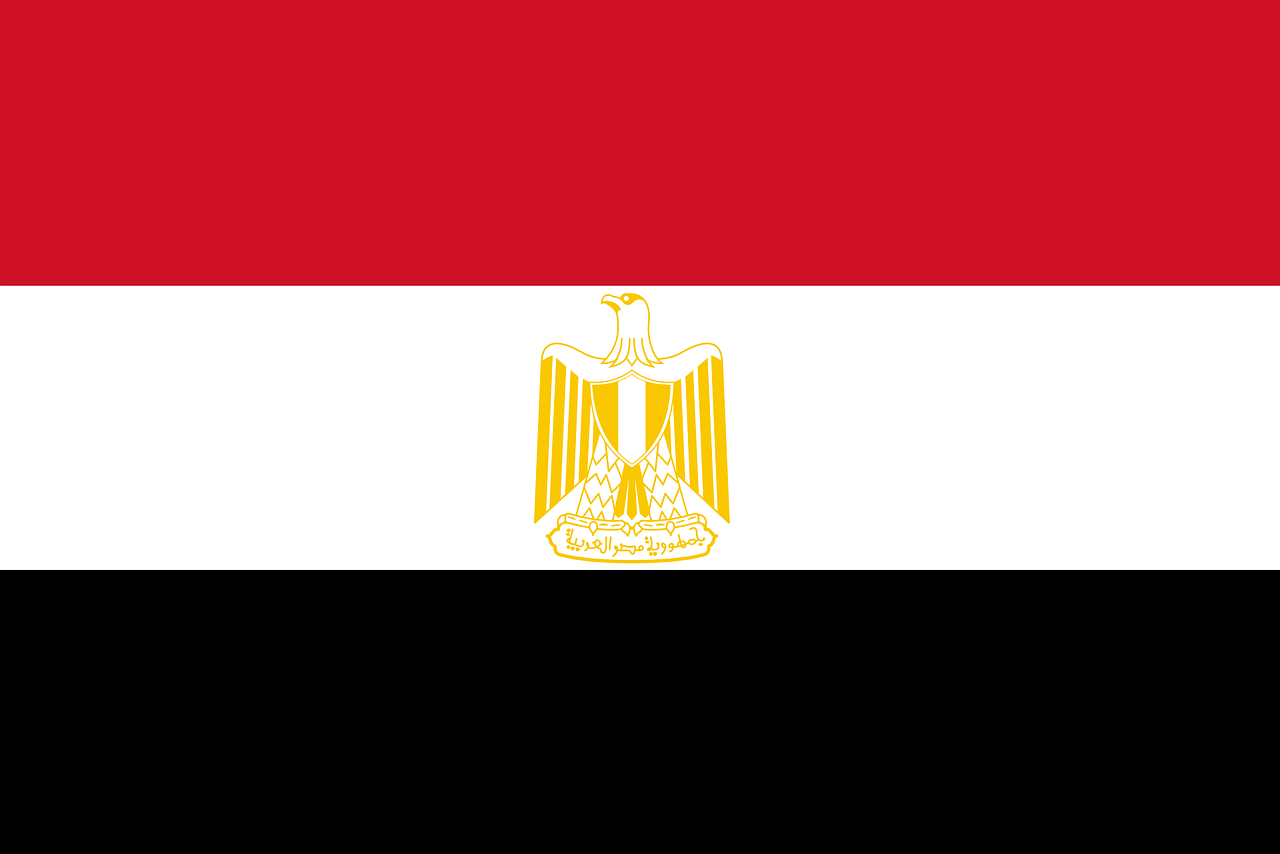
The Egyptian Revolution of 1952, led by the Free Officers Movement, resulted in the abolition of the monarchy and the establishment of the Republic of Egypt in 1953. With this dramatic political shift, a new flag was introduced in 1953. This flag had three horizontal stripes of red, white, and black, with the gold eagle of Saladin in the center. The colors of the flag symbolized the era of revolution (red), peace (white), and the struggle against colonialism (black). The eagle of Saladin, a symbol of Arab nationalism and strength, was a nod to Egypt’s leadership in the Arab world.

The United Arab Republic: 1958-1971

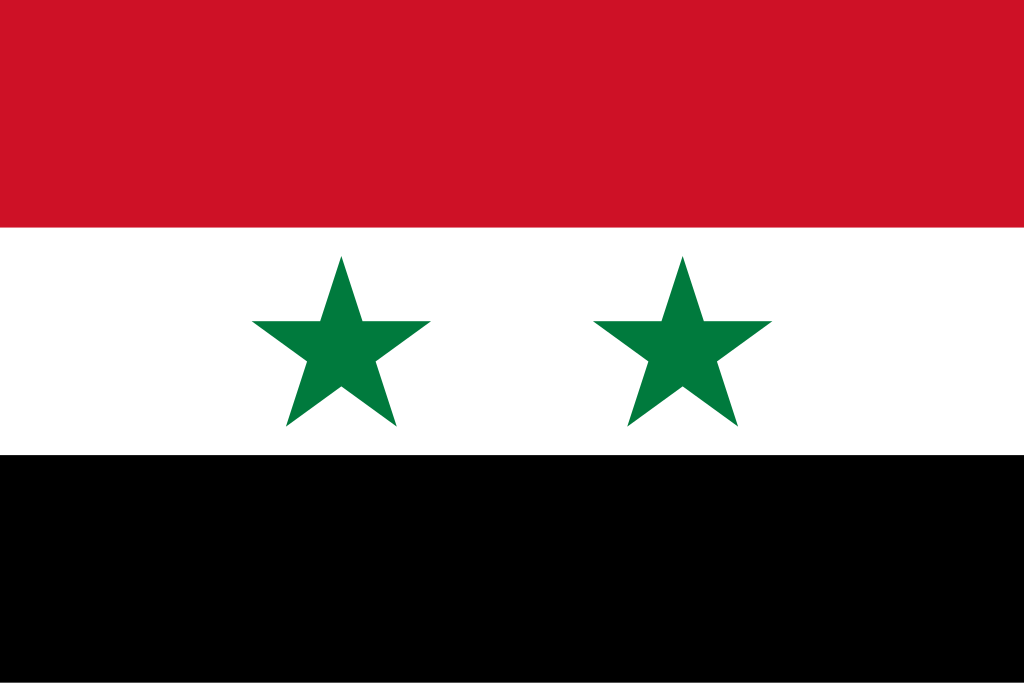
(1958 - 1971) still used in Syria nowadays

In 1958, Egypt and Syria united to form the United Arab Republic (UAR), a short-lived political union that aimed to foster Arab unity. The UAR flag featured the same red, white, and black horizontal stripes, but with two green stars in the white stripe, symbolizing the two constituent countries. Although Syria seceded from the UAR in 1961, Egypt retained the flag until 1971 as a symbol of its continued commitment to Arab nationalism.

The Federation of Arab Republics: 1972-1984

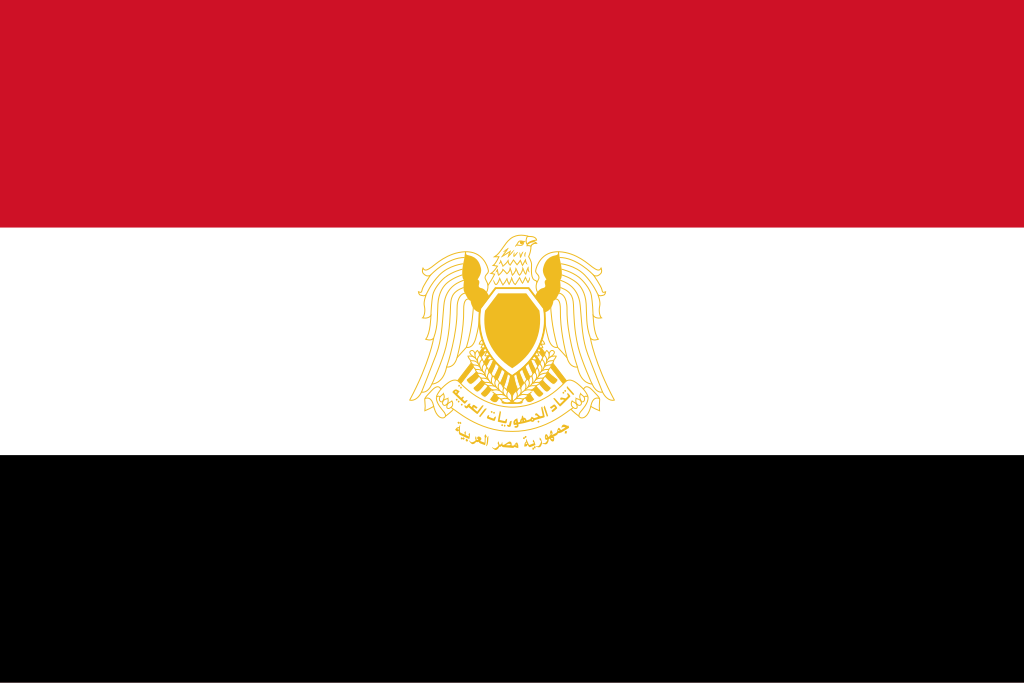
In 1972, Egypt, Libya, and Syria formed the Federation of Arab Republics, an attempt to create a unified Arab state. Although the federation was largely symbolic and failed to achieve lasting political unity, it influenced the design of the Egyptian flag. During this period, the Egyptian flag featured the same horizontal stripes of red, white, and black, but the eagle of Saladin was replaced with the Hawk of Quraish, a symbol of Arab unity and strength. The Hawk of Quraish was chosen as a more pan-Arab symbol, reflecting the aspirations of the federation.


(1972 - 1984)

Despite the dissolution of the Federation of Arab Republics in 1977, Egypt continued to use the flag with the Hawk of Quraish until 1984. This period in the evolution of the Egyptian flag highlights the country’s role in promoting Arab unity and its influence within the broader Arab world.

The Arab Republic of Egypt: 1984-Present

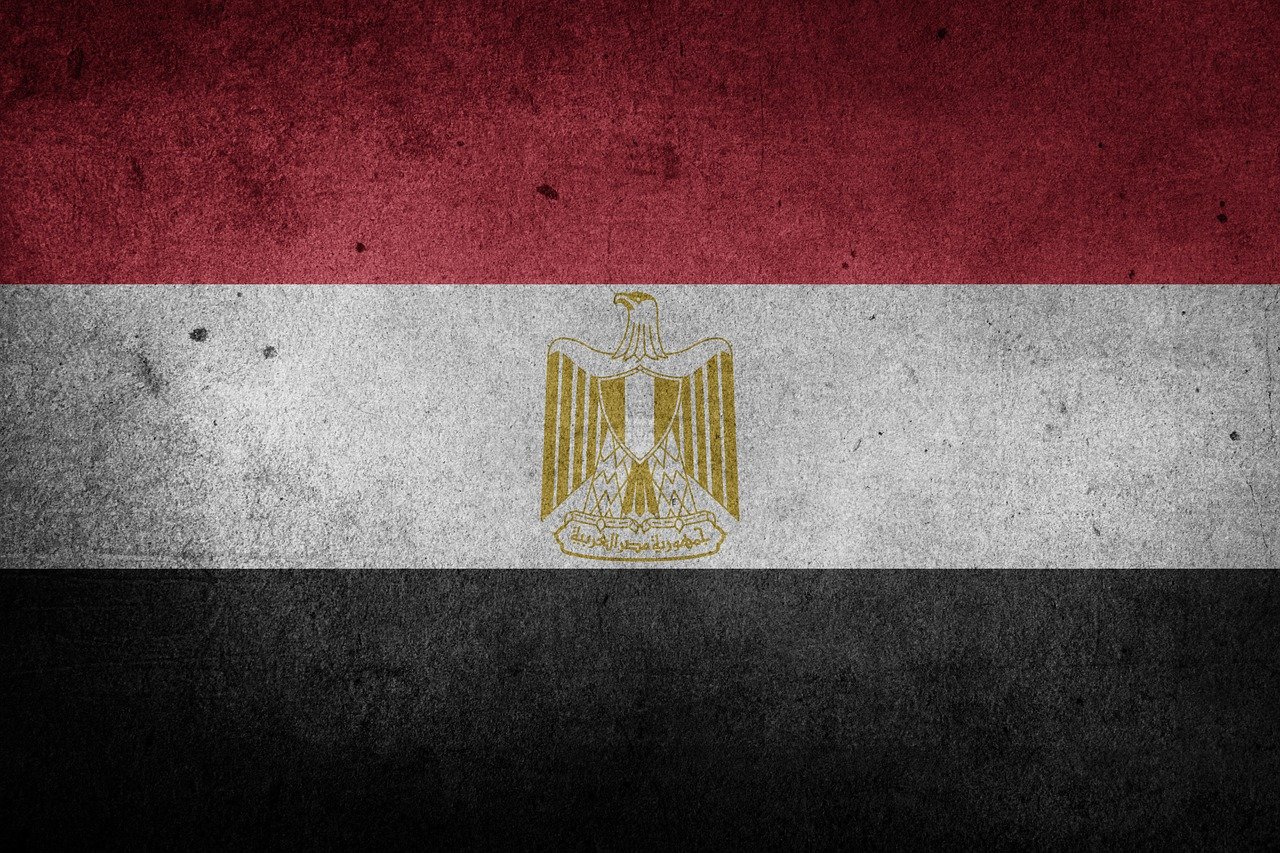
In 1984, Egypt reinstated the golden eagle of Saladin in the center of its flag, replacing the Hawk of Quraish. The current flag, which is still in use today, reflects Egypt’s enduring commitment to Arab unity while asserting its own national identity. The red, white, and black stripes continue to symbolize the revolution, peace, and the struggle against oppression, respectively. The eagle of Saladin remains a powerful symbol of strength and Arab nationalism.

egypt, flag, national flag
The present flag of Egypt (1984 - present)

The evolution of the Egyptian flag mirrors the nation’s journey through various phases of its history, from ancient civilizations to modern republics. Each version of the flag has carried symbols that reflect Egypt’s aspirations, struggles, and identity. The current flag, with its bold colors and iconic eagle, stands as a testament to Egypt’s rich history and its place as a leader in the Arab world. Through its flags, Egypt has continuously expressed its resilience, national pride, and vision for the future.
Leave a Comment

Your email address will not be published. Required fields are marked *