The Harem Conspiracy against Pharaoh Ramesses III is one of the most intriguing and well-documented assassination plots in ancient Egyptian history. Taking place during the late 20th Dynasty (circa 1155 BC), this conspiracy involved members of the royal harem, high-ranking officials, and military officers who sought to overthrow the pharaoh. The plot ultimately led to the death of Ramesses III and marked a turning point in the history of Egypt, signaling the decline of the New Kingdom.
The Suspects
The central figure in the conspiracy was Queen Tiye, one of Ramesses III’s secondary wives. Tiye was motivated by her desire to see her son, Prince Pentawer, ascend to the throne instead of Ramesses IV, the designated heir and son of Ramesses III’s principal queen, Iset Ta-Hemdjert. Tiye’s ambition to elevate her son to power led her to orchestrate a plot against the pharaoh, enlisting the help of various individuals within the court.
The conspiracy involved a network of palace officials, including Pebekkamen, the chief of the harem, and other influential figures like Meryra, the chief of the treasury, and Panhayboni, a military commander. These individuals had access to the pharaoh and were in positions of trust, which allowed them to coordinate the assassination plot. The conspiracy also extended to servants, priests, and other members of the harem, who played crucial roles in the execution of the plan.
The Plan: The Pharaoh Must Not Live...
The exact method of Ramesses III’s assassination remains a subject of debate among historians. However, evidence suggests that the conspirators attempted to kill the pharaoh using physical means. The harem was an ideal setting for such a plot, as it was secluded and filled with individuals loyal to Queen Tiye.
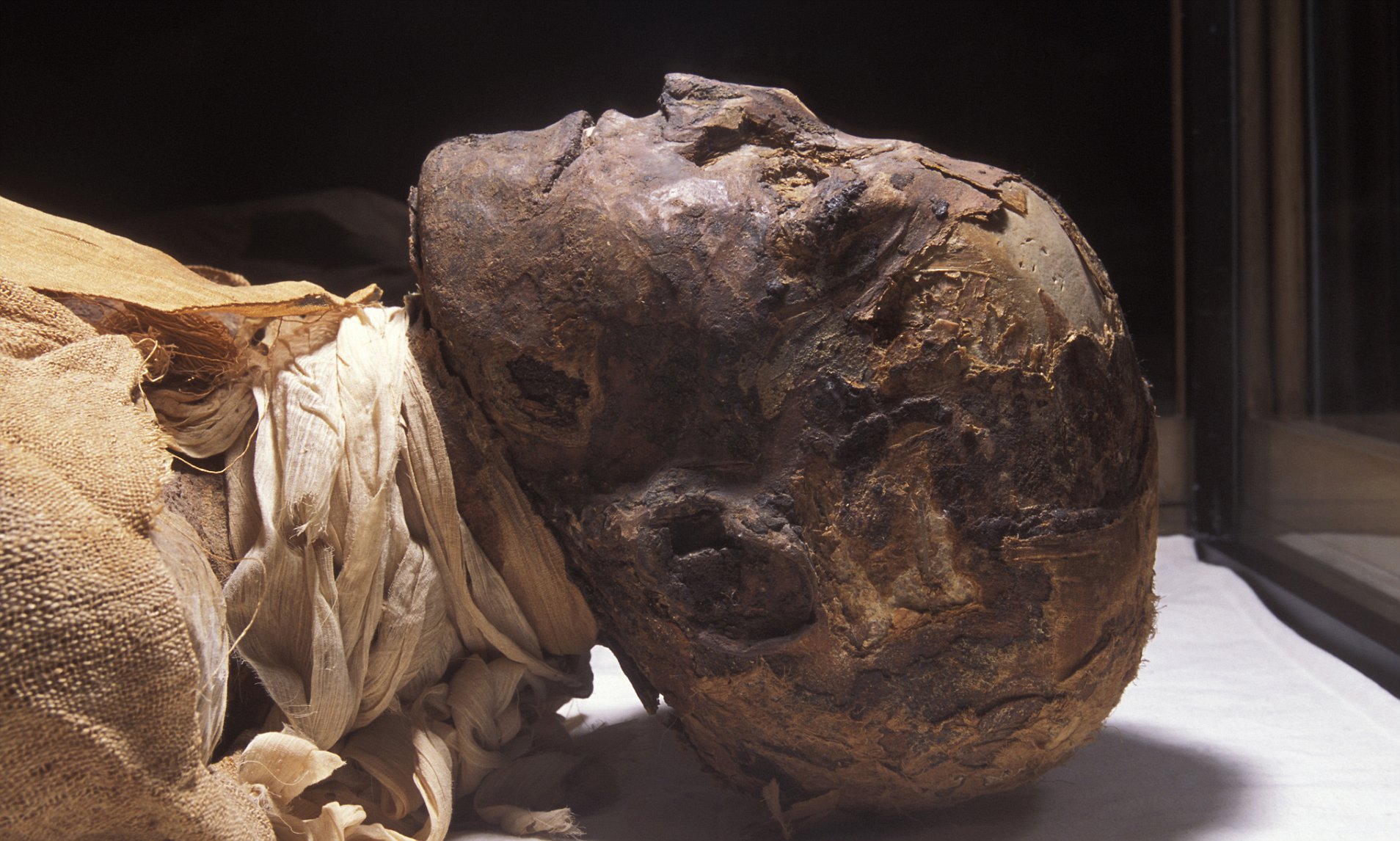
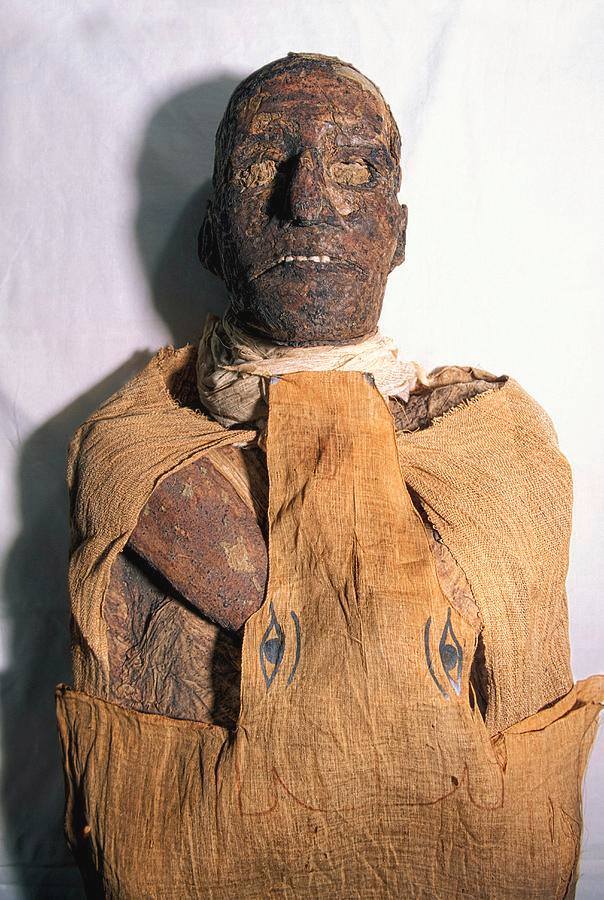
The mummy Ramesses III (you can notice that the mummy had a neck wrap)
One widely accepted theory is that the conspirators physically attacked Ramesses III, possibly by slitting his throat. In 2012, a team of scientists conducted a CT scan of the mummy believed to be Ramesses III and discovered a deep, fatal wound in his throat, which had likely been covered up during mummification. This discovery supports the idea that the pharaoh was murdered rather than dying of natural causes.
How Do We Know About the Conspiracy?
Our knowledge of the Harem Conspiracy comes primarily from two sources: the Judicial Papyrus of Turin and the Harris Papyrus. These documents provide detailed accounts of the trial and punishment of the conspirators after the assassination attempt.
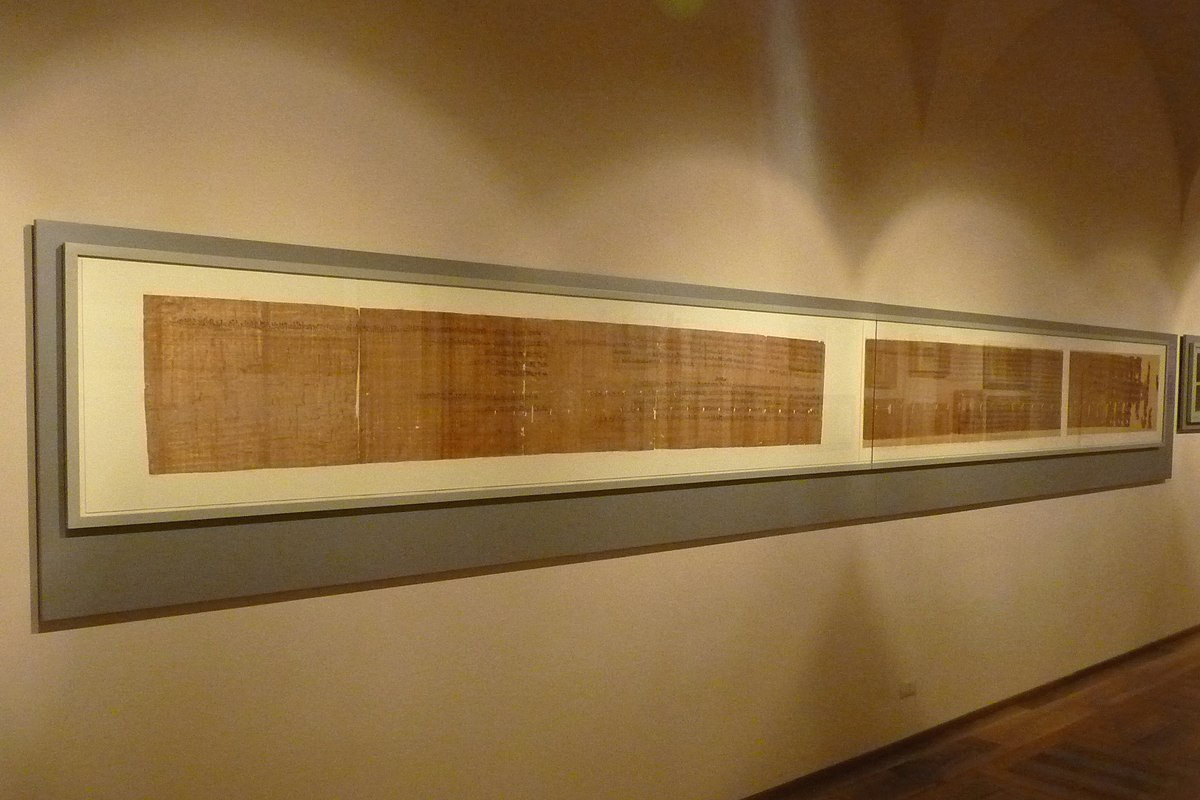
The Judicial Papyrus of Turin is the most important source, offering a firsthand account of the trial proceedings. According to this document, after the assassination of Ramesses III, the conspirators were arrested, tried, and executed. The trial was overseen by Ramesses IV, who had successfully ascended to the throne despite the plot against him. The papyrus lists the names of the conspirators, their roles in the conspiracy, and the punishments they received. Many of the accused were forced perform the execution on themselves, including Prince Pentawer, who was given the judgment to take his own life as a form of royal clemency.
The Judicial Papyrus of Turin in the Museo Egizio, Turin, Italy
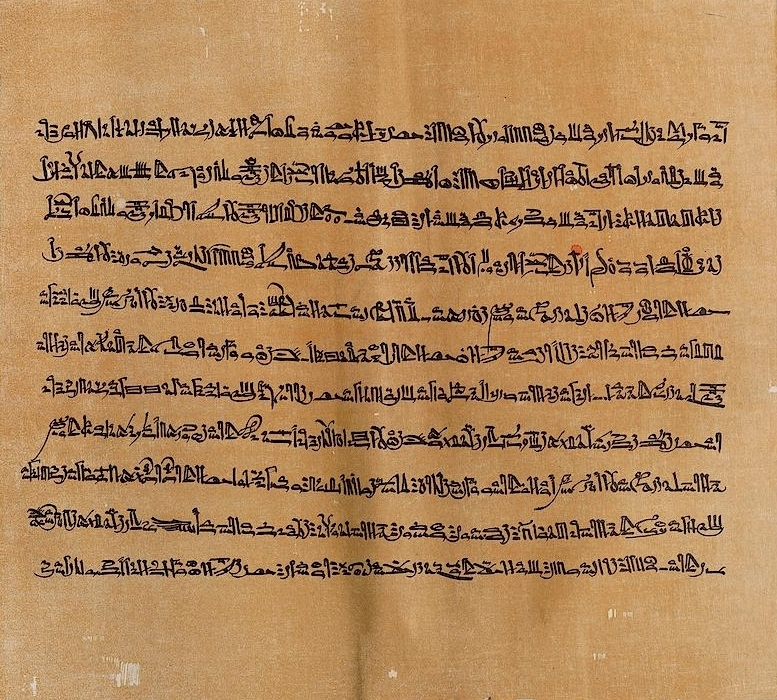
The Harris Papyrus (written in the Hieratic Script) in The British Museum
The Harris Papyrus, though less detailed about the conspiracy itself, provides a broader context of the reign of Ramesses III and mentions his death, indicating that it was not of natural causes. This document, compiled during the reign of Ramesses IV, serves as a royal record and propaganda tool, emphasizing the legitimacy of the new pharaoh’s rule and the divine punishment meted out to the conspirators.
Conclusion
The Harem Conspiracy against Pharaoh Ramesses III is a dramatic and tragic episode in ancient Egyptian history, revealing the complexities and dangers of palace politics. Queen Tiye’s ambition to place her son on the throne led to a plot involving high-ranking officials, magicians, and servants, ultimately resulting in the pharaoh’s assassination. The detailed records left by the Egyptians, particularly the Judicial Papyrus of Turin, allow modern historians to piece together this conspiracy, shedding light on the turbulent final years of the New Kingdom. The Harem Conspiracy not only demonstrates the fragility of power in ancient Egypt but also serves as a reminder of how ambition and intrigue can shape the course of history.