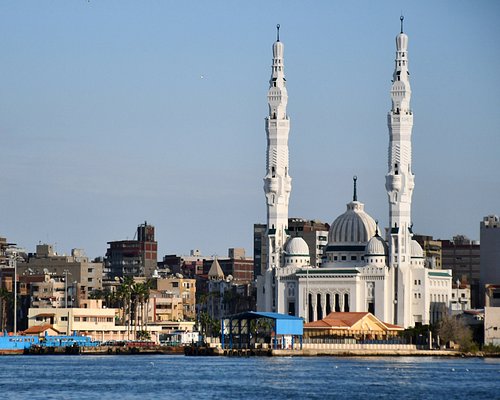
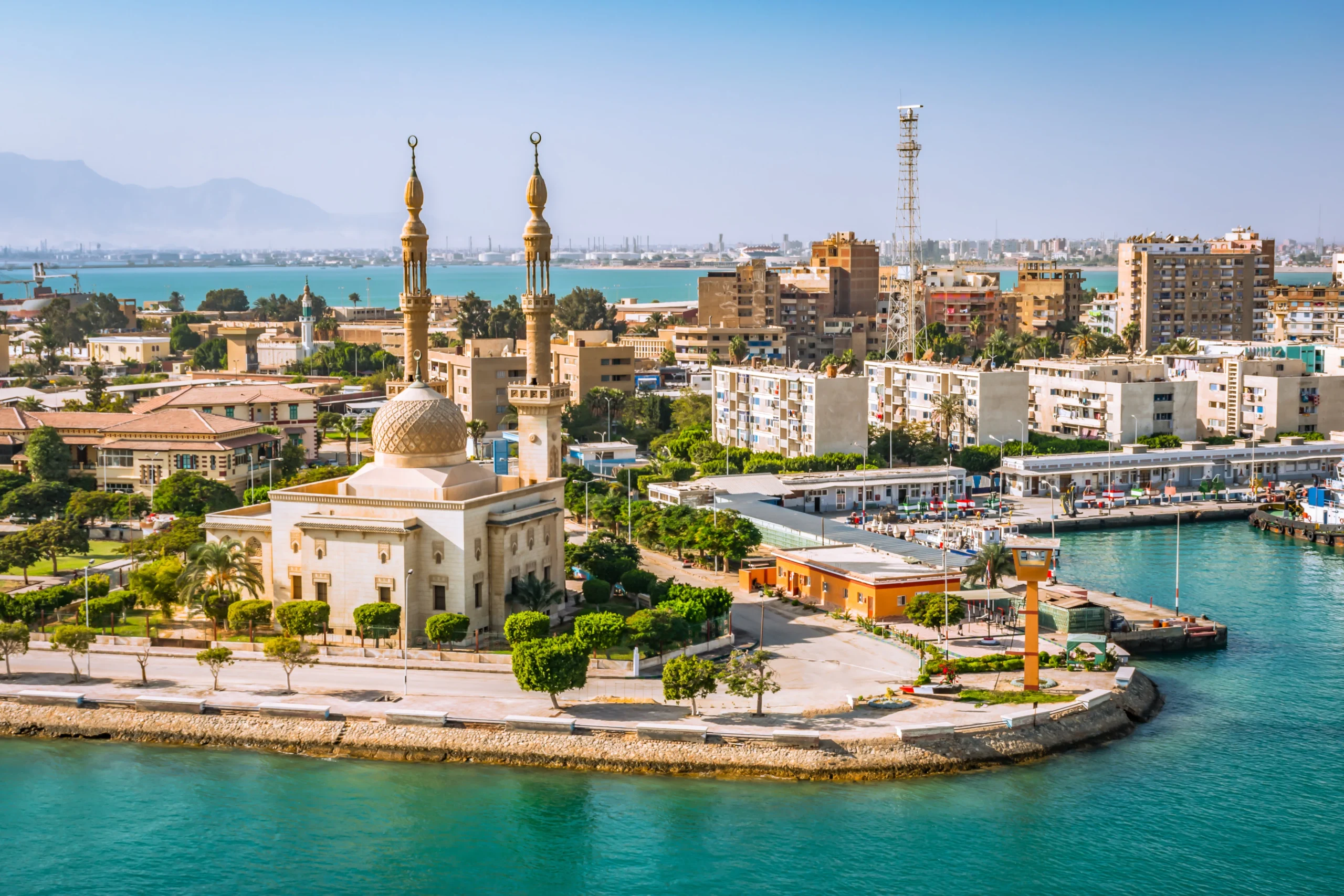
Port Said and Port Fuad are two uniquely positioned cities in Egypt that straddle the African and Asian continents, offering a fascinating glimpse into the intersection of history, geography, and modern development. These cities, located at the northern entrance of the Suez Canal, have played a significant role in both regional and global history. In this article we explore their sites, historical evolution, importance, and key attractions, providing a comprehensive overview of what makes these cities so remarkable.
Geographic Site and Layout
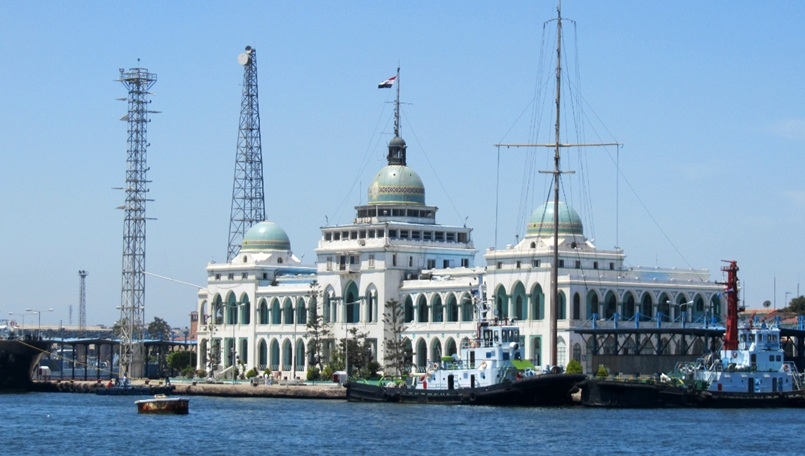
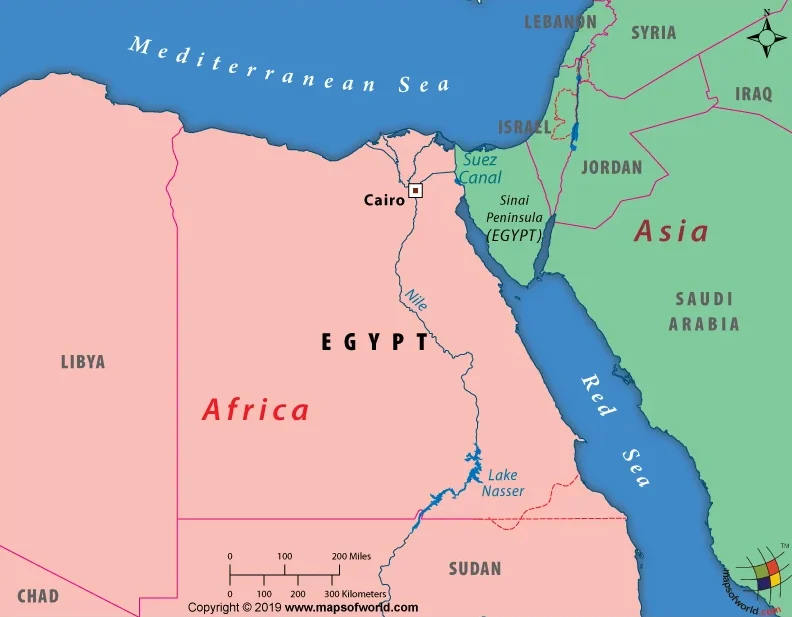
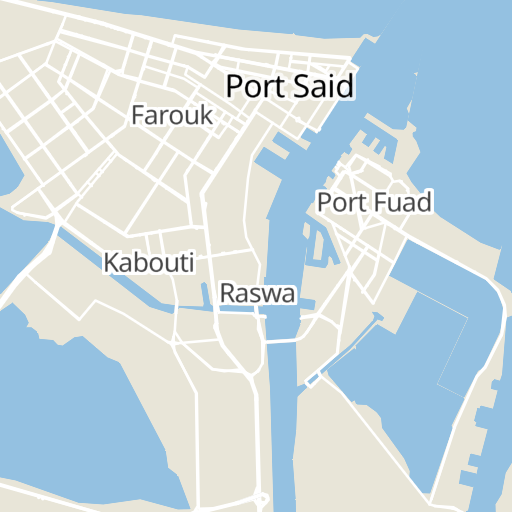
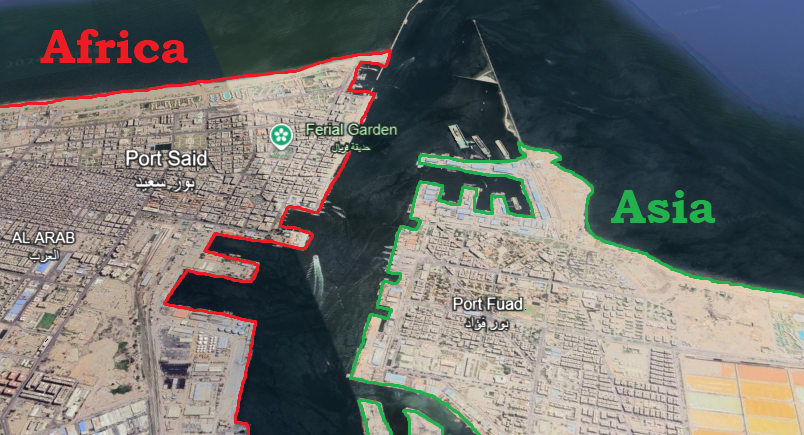
Port Said is located on the western side of the Suez Canal, in the northeastern part of Egypt, on the African continent. The city faces the Mediterranean Sea, making it an essential maritime gateway. Port Fuad, its twin city, lies directly opposite on the eastern side of the canal, in the Sinai Peninsula, part of the Asian continent. These cities are connected by ferries and a road tunnel beneath the Suez Canal, symbolizing a literal and figurative bridge between two continents.
The layout of these cities reflects their strategic importance. Port Said is built in a grid-like pattern, typical of many 19th-century planned cities, with broad avenues and public squares. The city’s urban design was influenced by its function as a port and a center for trade. Port Fuad, on the other hand, is smaller and less densely populated but serves as a residential and industrial counterpart to Port Said.
Historical Background
The history of Port Said and Port Fuad is closely linked to the history of the Suez Canal. The construction of the canal, completed in 1869, was a monumental engineering project that drastically altered global trade routes. Port Said was founded in 1859 to house workers and serve as a base for the canal’s construction. Its name honors Said Pasha, the then-ruler of Egypt, who was a key supporter of the canal project.
The city quickly grew in importance as a commercial hub, attracting a diverse population of Egyptians, Europeans, and other nationalities. This cosmopolitan atmosphere was further enhanced by the influx of foreign consulates, banks, and shipping companies, establishing Port Said as a vibrant, multicultural city.
Port Fuad was established later, in 1926, primarily as a residential area for employees of the Suez Canal Company. Unlike Port Said, which developed organically, Port Fuad was a planned city, with a focus on providing a high quality of life for its residents. The city was named after King Fuad I of Egypt, reflecting its close ties to the Egyptian monarchy.
Strategic and Economic Importance
The significance of Port Said and Port Fuad extends far beyond their roles as gateways to the Suez Canal. The canal itself is one of the most important waterways in the world, providing the shortest maritime route between Europe and Asia. This has made Port Said a critical point for international shipping, with thousands of vessels passing through the canal annually. The revenue generated from canal tolls is a major source of income for Egypt, underlining the economic importance of these cities.
In addition to their maritime roles, Port Said and Port Fuad have also been sites of significant historical events. During the Suez Crisis of 1956, Port Said became a focal point of international attention when British, French, and Israeli forces attempted to seize control of the Suez Canal from Egypt. The conflict resulted in widespread destruction in Port Said, but also solidified Egypt’s control over the canal and bolstered national pride.
Today, the cities continue to play vital roles in Egypt’s economy and are central to the country’s efforts to expand and modernize the Suez Canal. Recent developments, such as the Suez Canal Expansion Project, have further enhanced the canal’s capacity and importance, ensuring that Port Said and Port Fuad remain pivotal to global trade.
Port Said and Port Fuad are not just significant for their strategic locations but are also cities with rich histories and vibrant cultures. Their roles as gateways to the Suez Canal have made them vital to global trade and Egyptian national identity. Today, they offer visitors a mix of historical sites, cultural experiences, and natural beauty, making them unique destinations that reflect both their transcontinental significance and their importance in the modern world. As Egypt continues to develop and expand its infrastructure, these twin cities will undoubtedly remain central to the country’s growth and its place in global commerce.