Discover
(Cairo)
Prince Muhammad Ali Palace (Manial Palace)
History / Khedive



"Asr el Amir Mahamad Ali"
In Egyptian
How Old Is It?
Open Hours
Everyday
Regular Days: 9:00 AM – 4:00 PM
During Ramadan: 9:00 AM – 3:00 PM

Get Your Tickets Online
Price Tickets for Egyptians & Arabs:
Adults: 20 EGP
Students: 5 EGP
Price Tickets for Tourists:
Adults: 220 EGP (~ 4.34 USD)
Students: 110 EGP (~ 4.34 USD)
Services
- Ramps
- Restrooms
- ATM
- Cafeteria
About
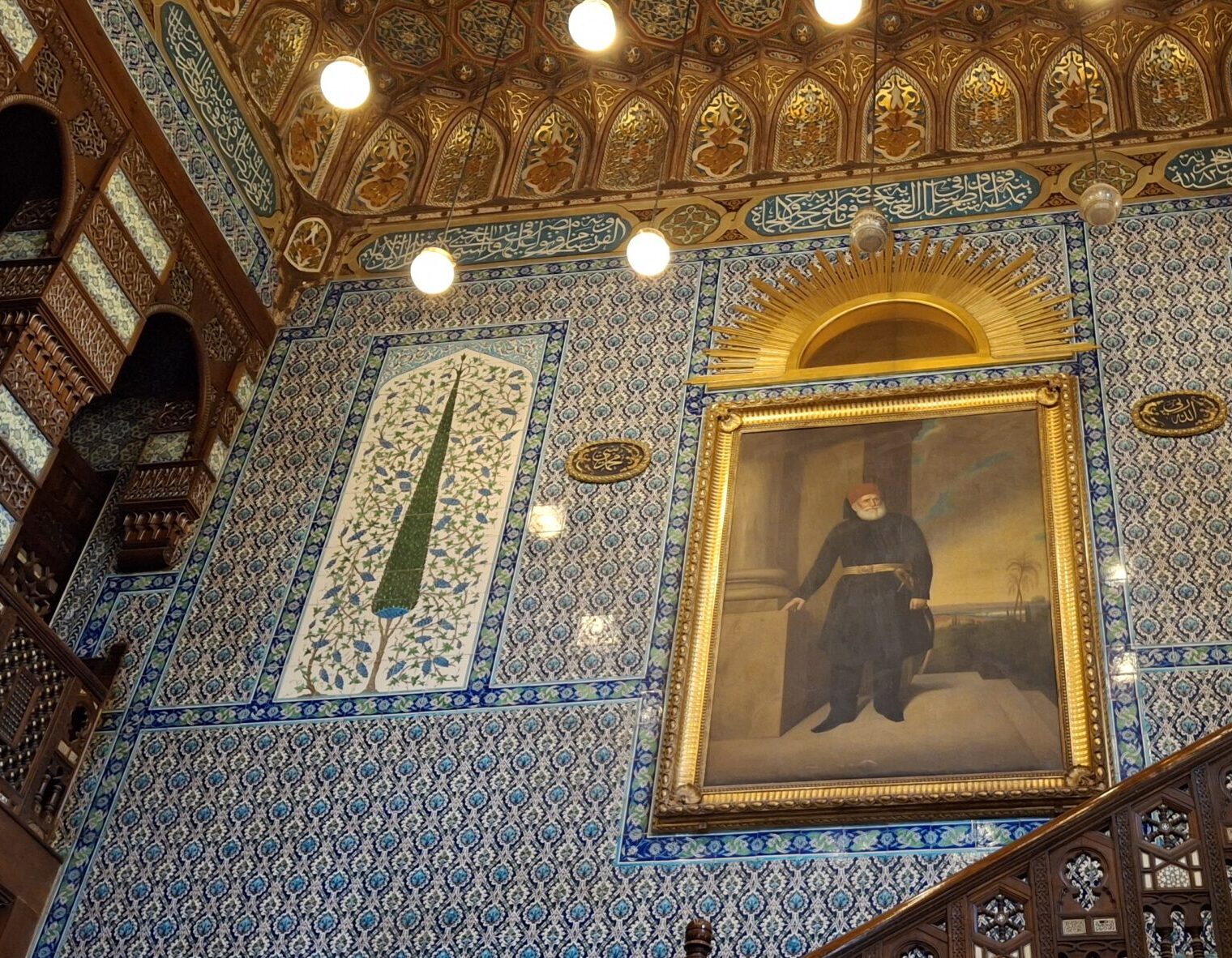
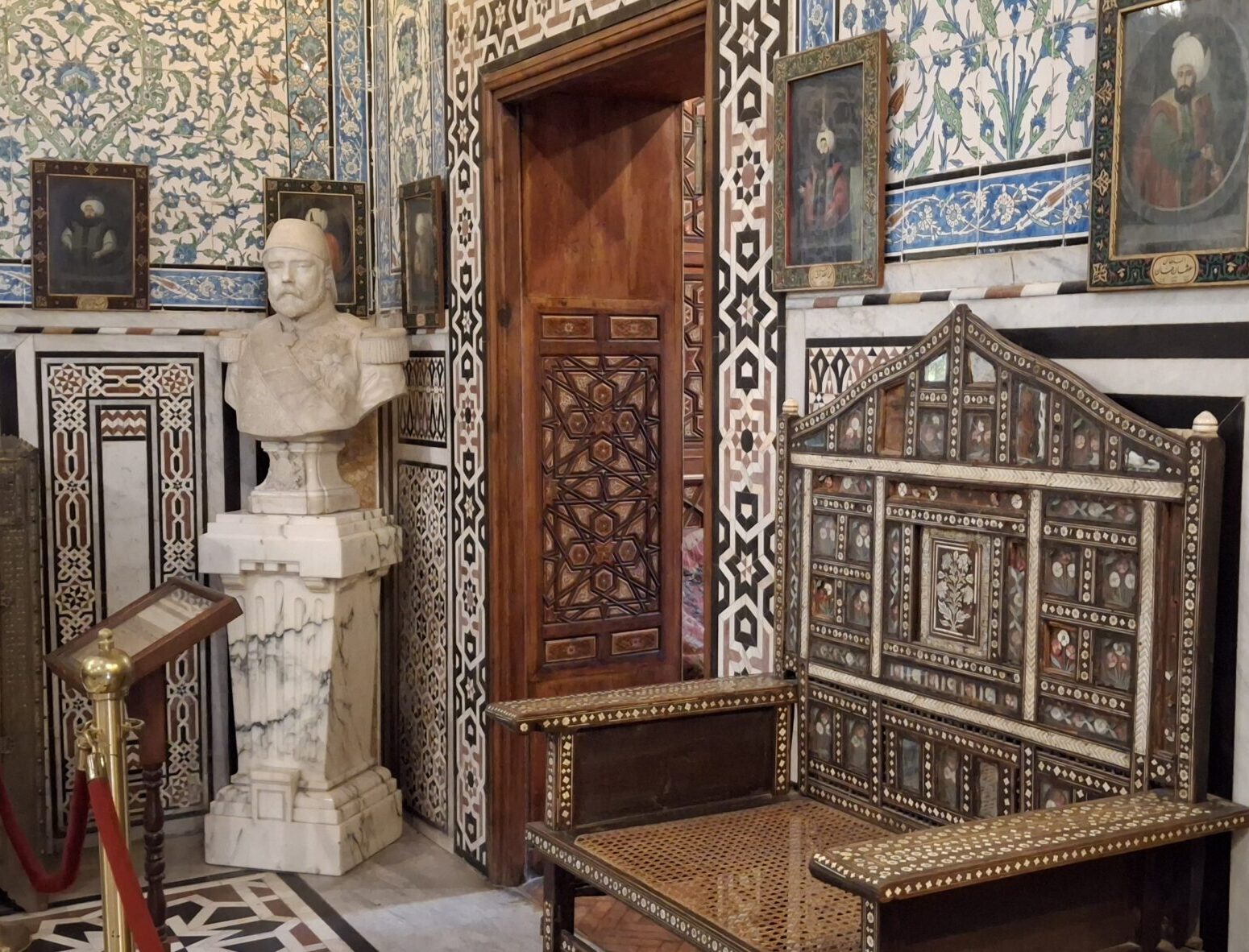
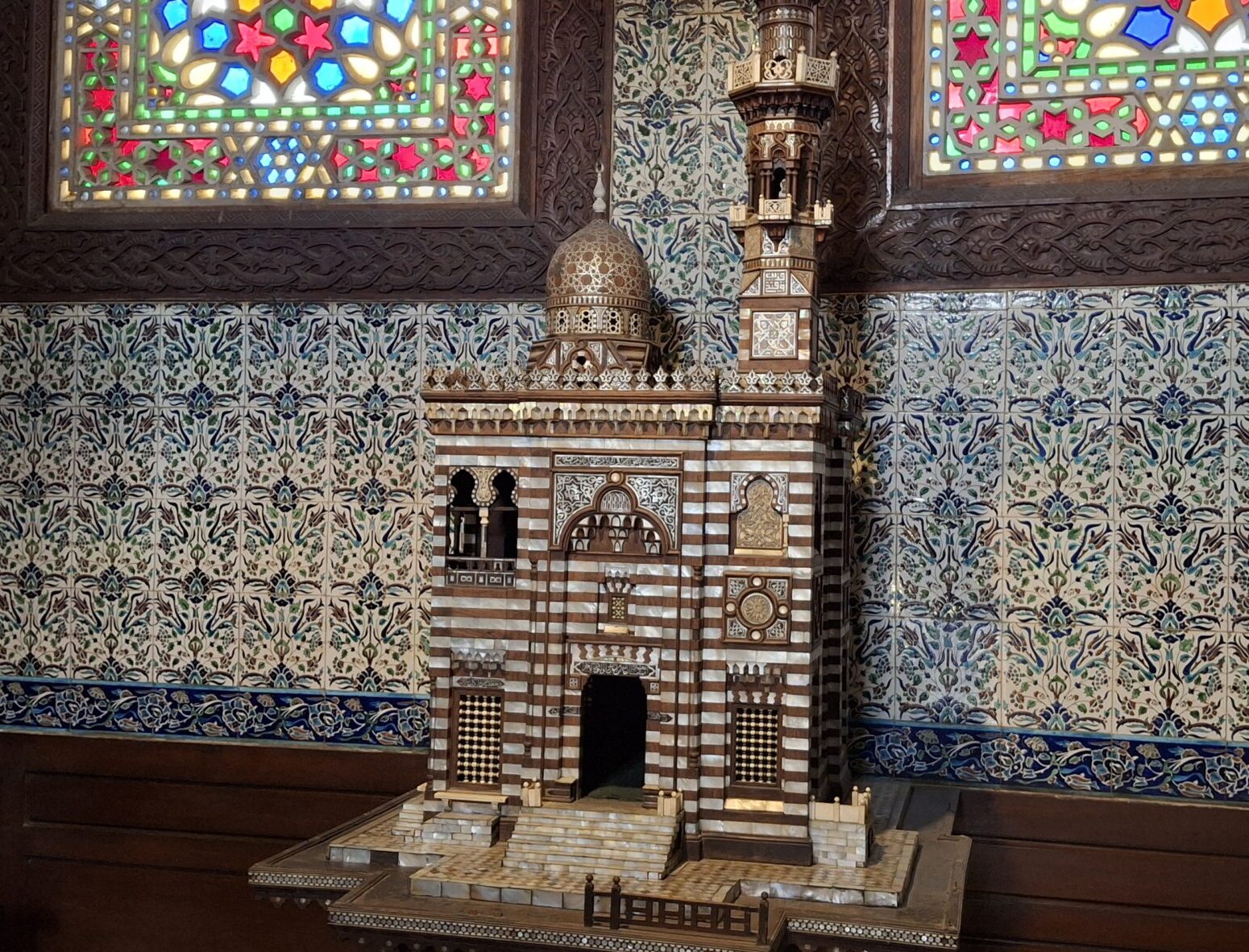
Prince Muhammad Ali Palace, located in the heart of Cairo, is a stunning example of Islamic architecture and a key cultural landmark in Egypt. Built between 1899 and 1902 in the lavish district of Manial, the palace was the residence of Prince Muhammad Ali, a member of Egypt’s royal family and a passionate art collector. The palace complex spans over 61,000 square meters and reflects a unique blend of Islamic, Ottoman, Persian, and Moorish architectural styles, showcasing the prince’s refined taste and vision.
The complex consists of several intricately designed buildings, including the reception palace, the residential quarters, the Throne Hall, and the Mosque. Each structure is adorned with detailed carvings, stained glass, and vibrant tilework. The gardens surrounding the palace are meticulously landscaped, featuring rare plants, fountains, and elegant pathways, providing a tranquil retreat amidst Cairo’s hustle and bustle.
Today, the palace serves as a museum, offering visitors a glimpse into Egypt’s royal history. Its exhibits include a vast collection of artifacts, textiles, weaponry, and manuscripts that highlight the opulence of the royal era. The Prince Muhammad Ali Palace is not only an architectural masterpiece but also a testament to Egypt’s rich cultural heritage, attracting tourists and history enthusiasts alike.
Clock Tower
The clock tower of Prince Muhammad Ali Palace in Cairo is a remarkable feature of this historic estate, showcasing intricate craftsmanship and architectural brilliance. Located in the palace’s sprawling gardens, the tower is a fusion of Islamic and European styles, reflecting the eclectic aesthetic of the late 19th and early 20th centuries.
Standing tall amidst lush greenery, the clock tower is both a functional and decorative element. Its structure is adorned with ornate carvings, geometric patterns, and arabesque motifs, emphasizing the attention to detail characteristic of the palace’s design. Interestingly, the tower’s design resembles the ma’azna (minaret) of mosques in Morocco, incorporating North African architectural influences. This resemblance highlights Prince Muhammad Ali’s appreciation for diverse Islamic architectural traditions and his effort to incorporate them into the palace’s unique aesthetic.
The clock itself, imported from Europe, was a symbol of modernization and luxury, embodying the prince’s desire to blend tradition with innovation. The tower’s height and placement were strategically chosen to make it a focal point of the garden, creating a harmonious balance between architecture and nature. Today, it stands as a testament to the artistic and cultural significance of Prince Muhammad Ali’s vision, offering a glimpse into the opulence and sophistication of Egypt’s royal heritage.

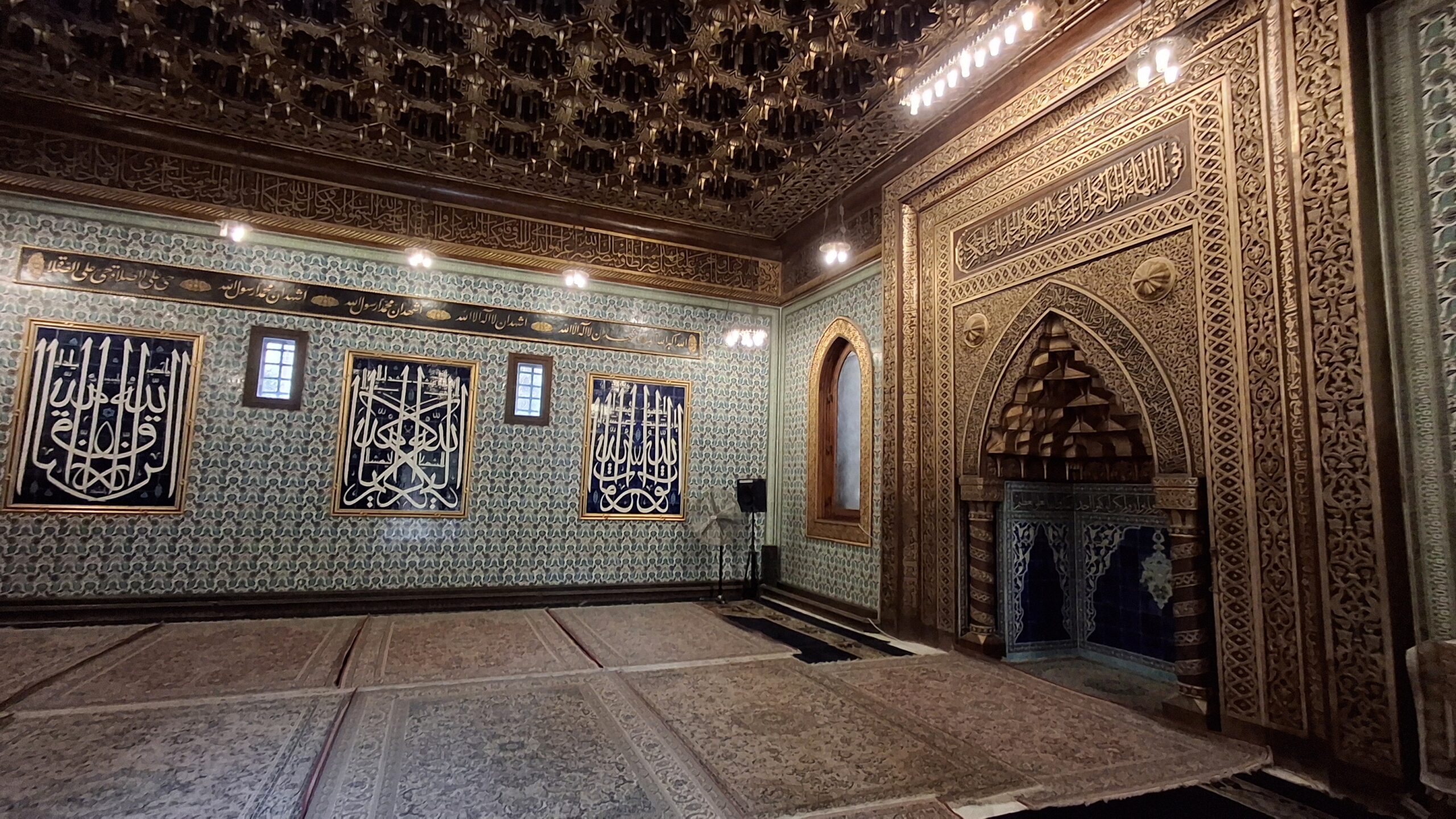
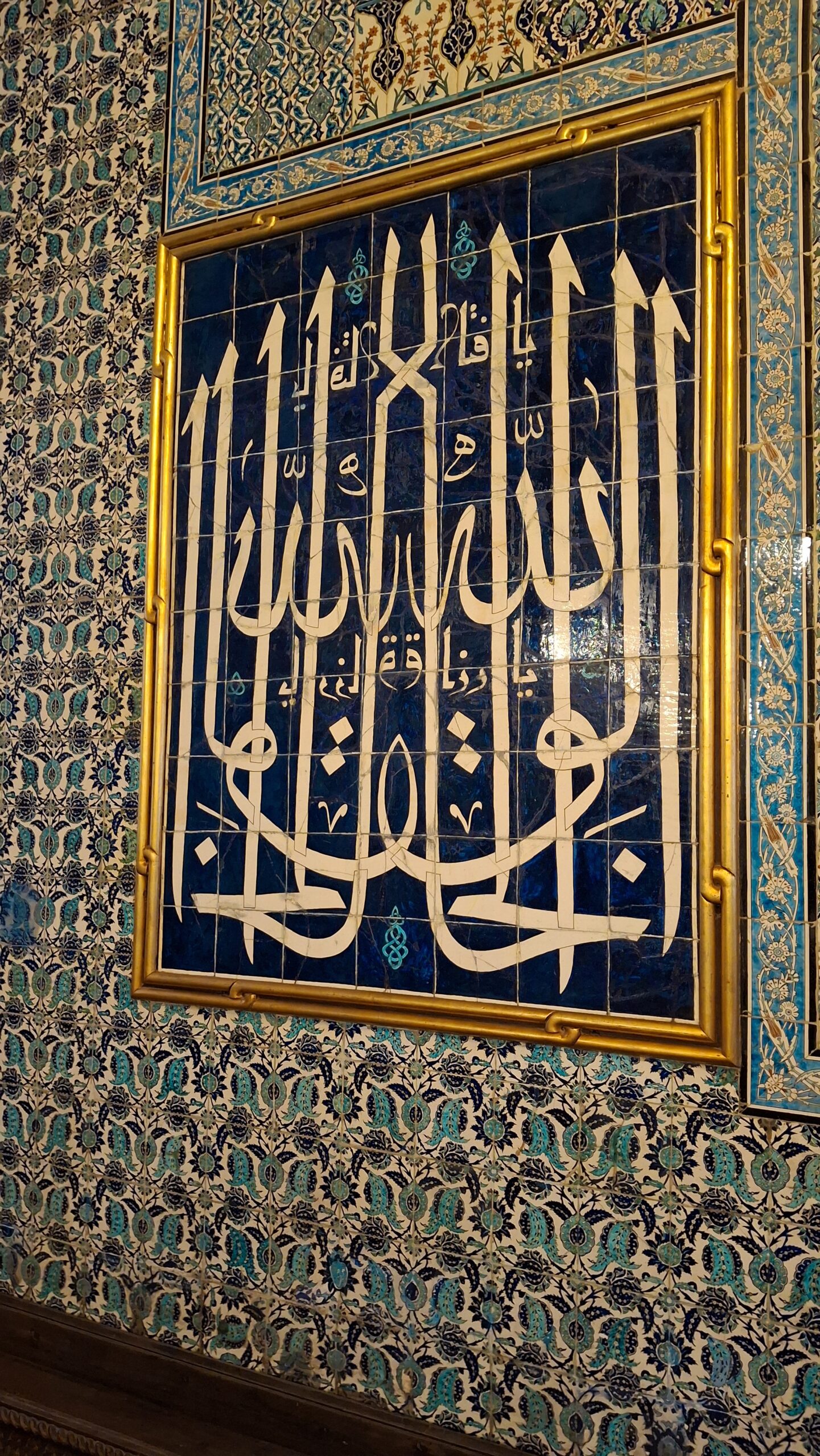
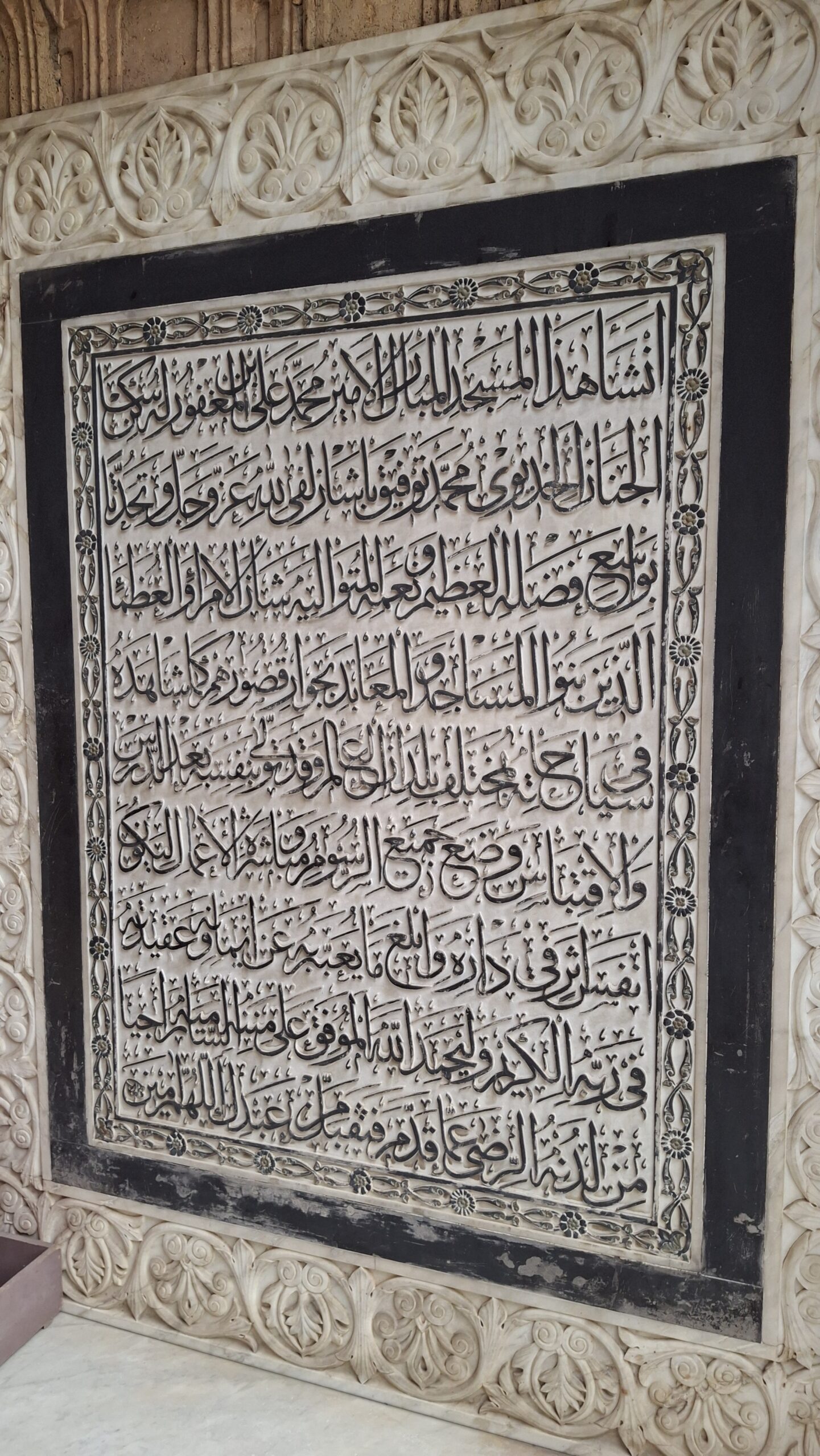
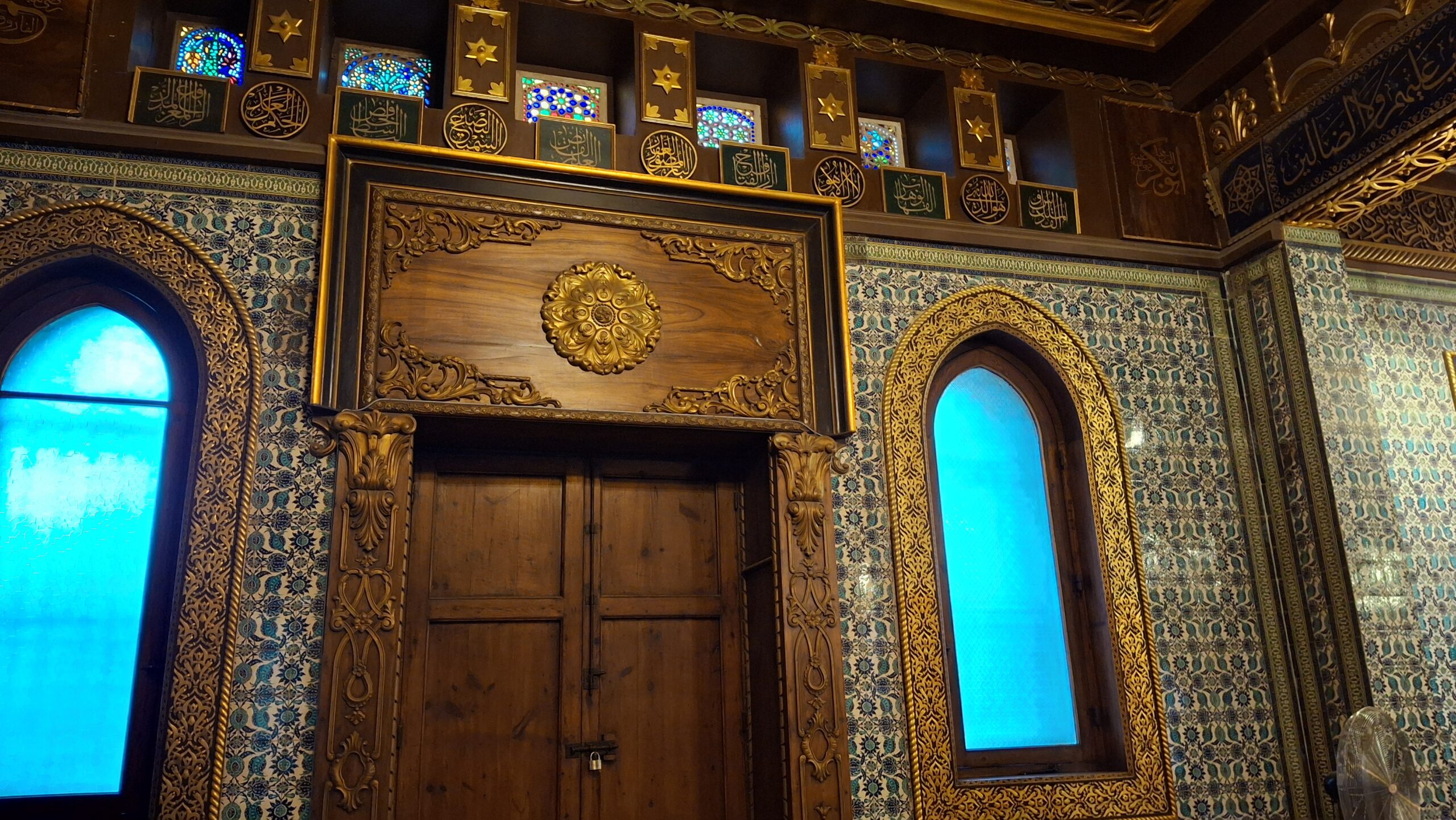
The Palace's Mosque
The clock tower of Prince Muhammad Ali Palace in Cairo is a remarkable feature of this historic estate, showcasing intricate craftsmanship and architectural brilliance. Located in the palace’s sprawling gardens, the tower is a fusion of Islamic and European styles, reflecting the eclectic aesthetic of the late 19th and early 20th centuries.
Standing tall amidst lush greenery, the clock tower is both a functional and decorative element. Its structure is adorned with ornate carvings, geometric patterns, and arabesque motifs, emphasizing the attention to detail characteristic of the palace’s design. Interestingly, the tower’s design resembles the ma’azna (minaret) of mosques in Morocco, incorporating North African architectural influences. This resemblance highlights Prince Muhammad Ali’s appreciation for diverse Islamic architectural traditions and his effort to incorporate them into the palace’s unique aesthetic.
The clock itself, imported from Europe, was a symbol of modernization and luxury, embodying the prince’s desire to blend tradition with innovation. The tower’s height and placement were strategically chosen to make it a focal point of the garden, creating a harmonious balance between architecture and nature. Today, it stands as a testament to the artistic and cultural significance of Prince Muhammad Ali’s vision, offering a glimpse into the opulence and sophistication of Egypt’s royal heritage.
The Hunting Museum
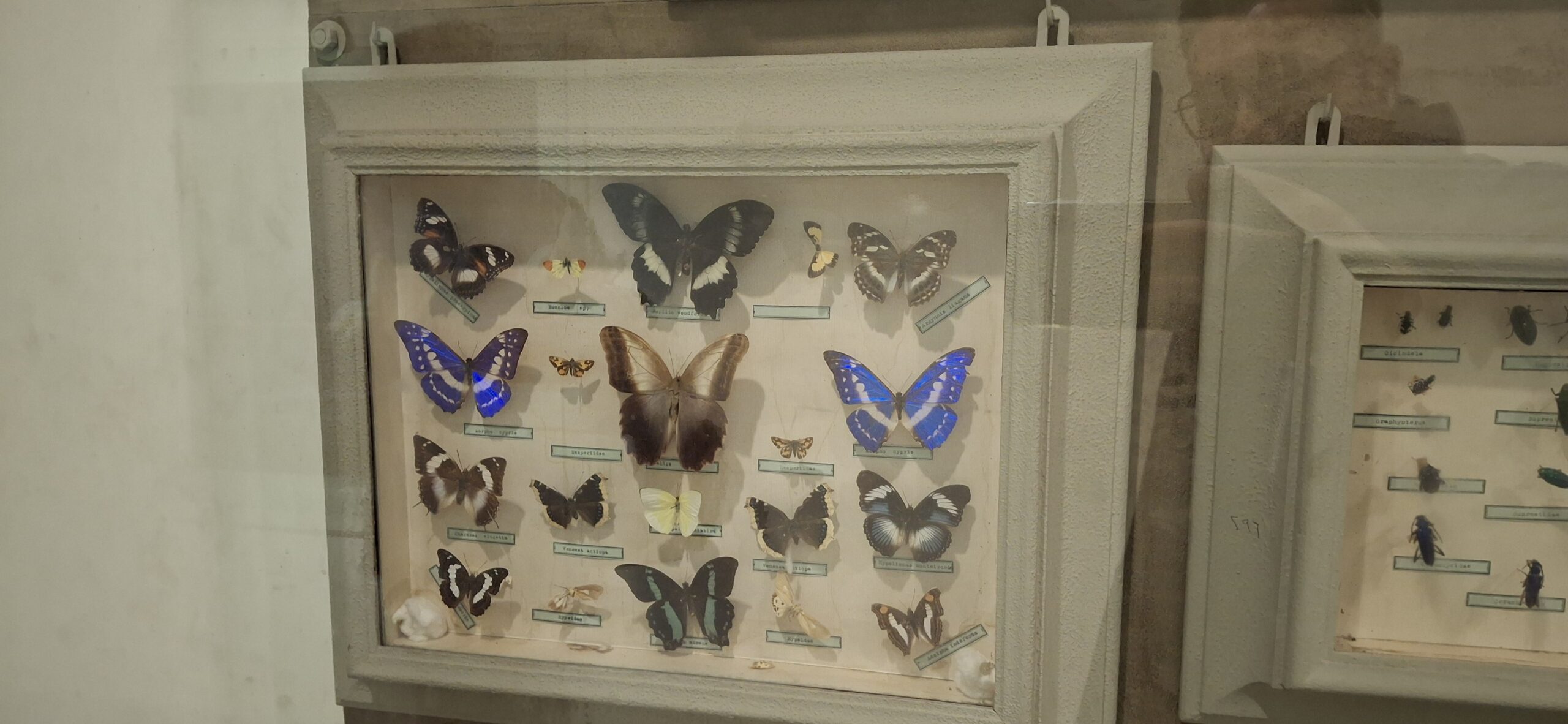
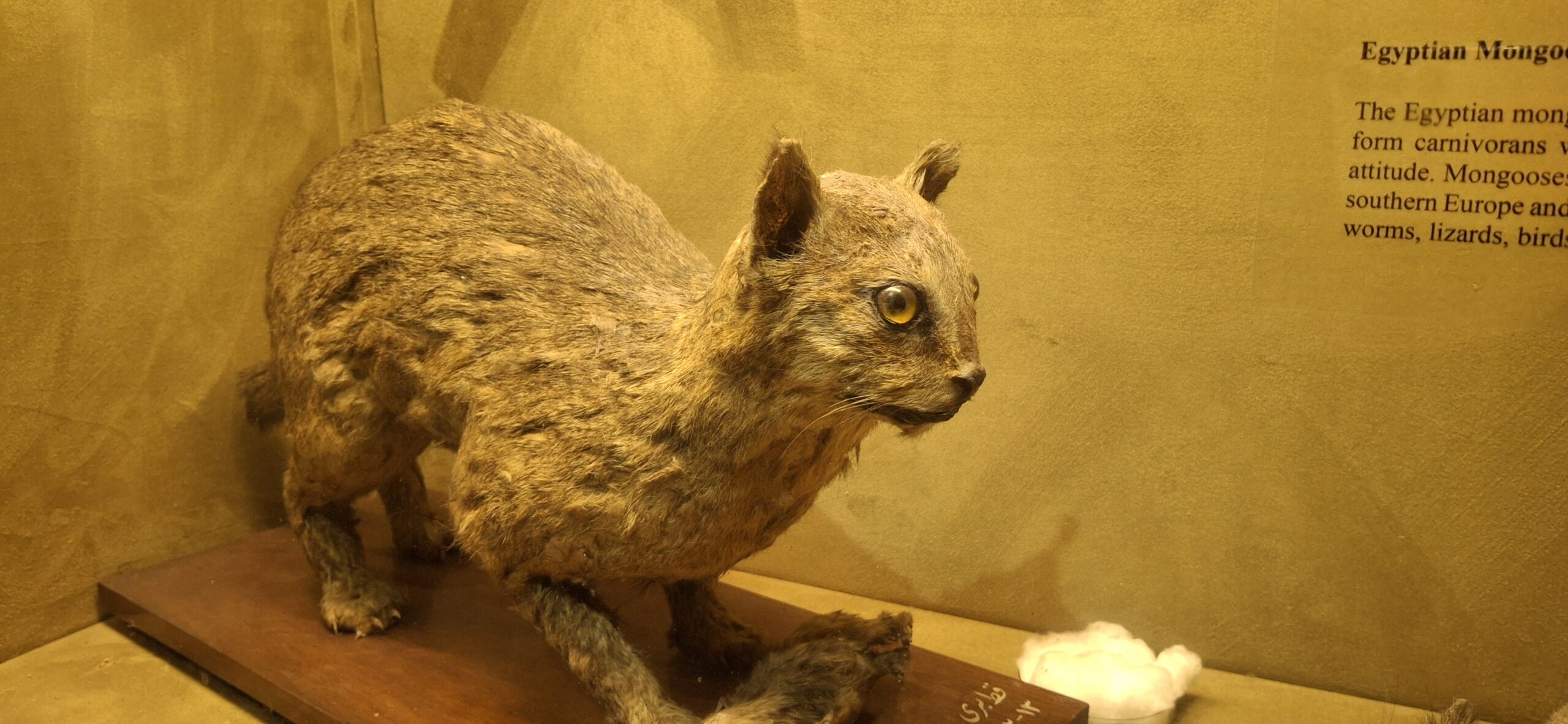
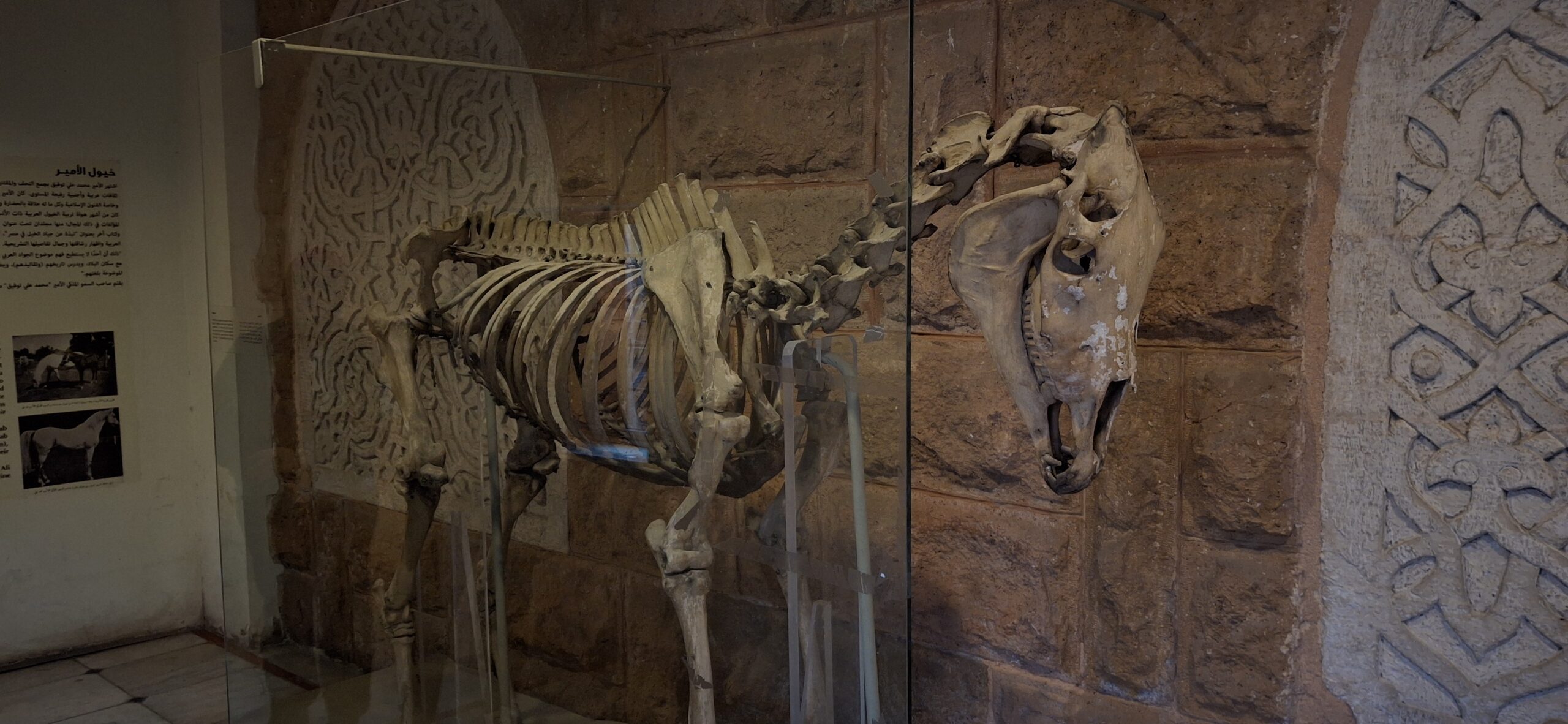
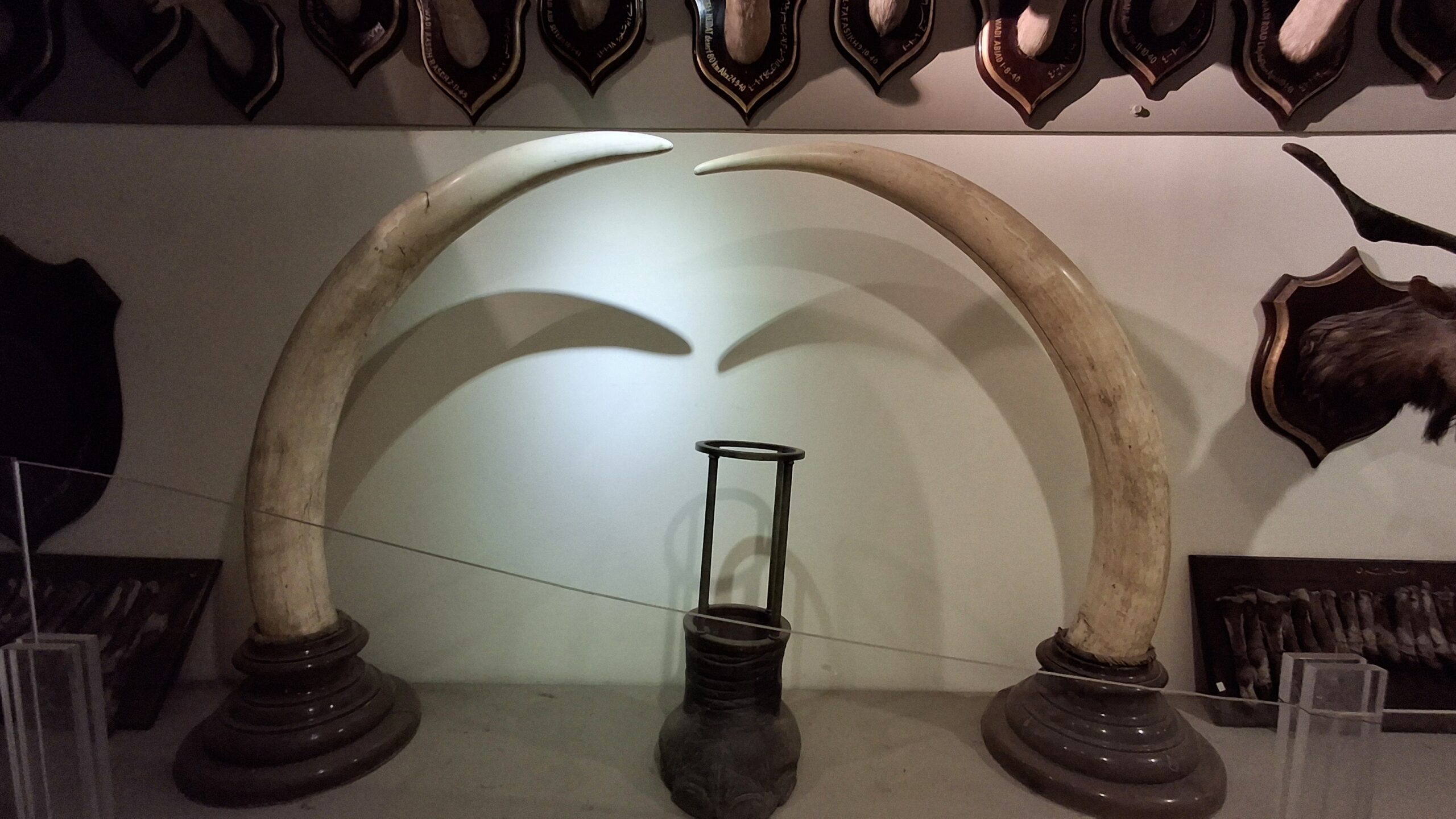
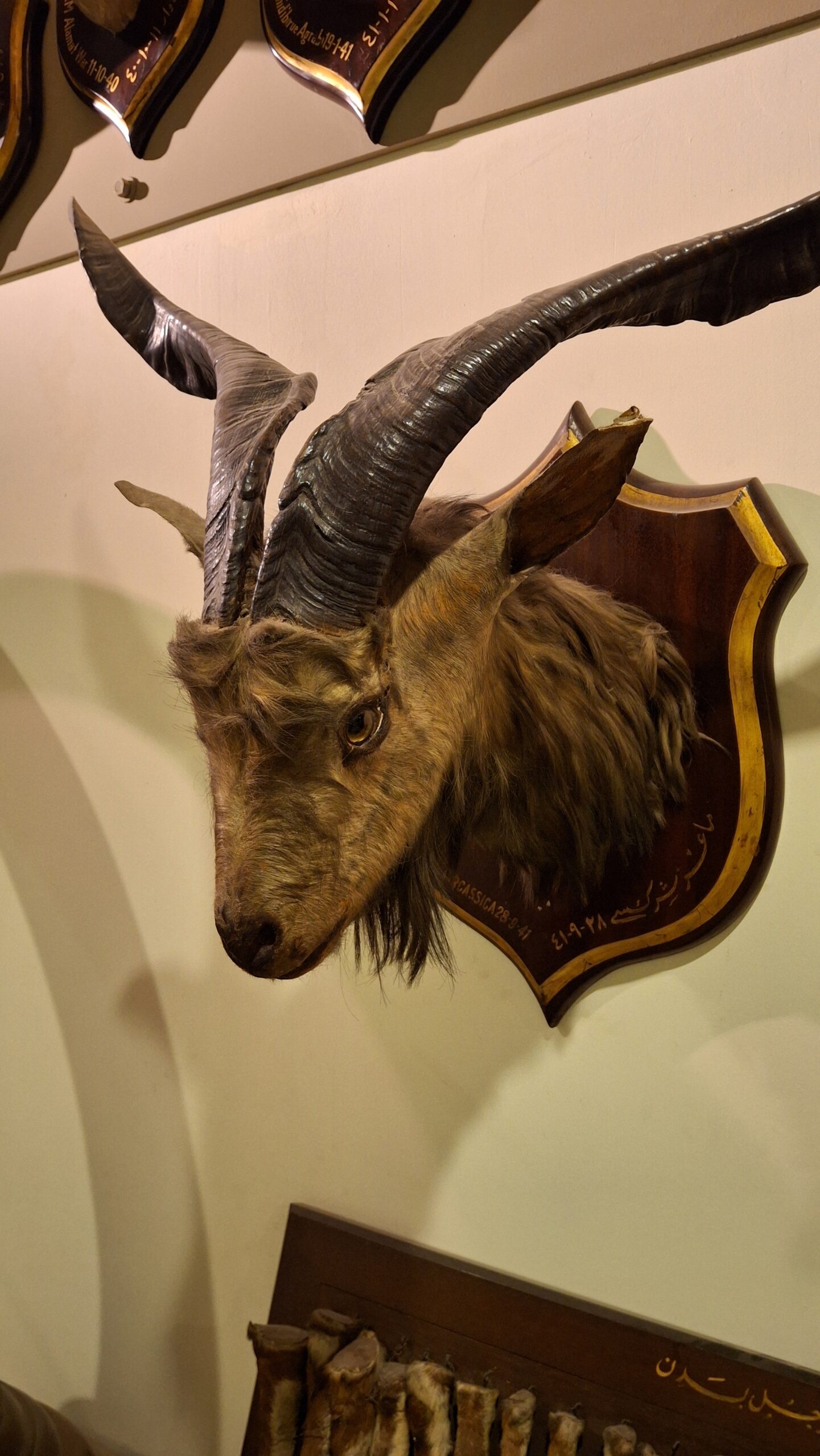
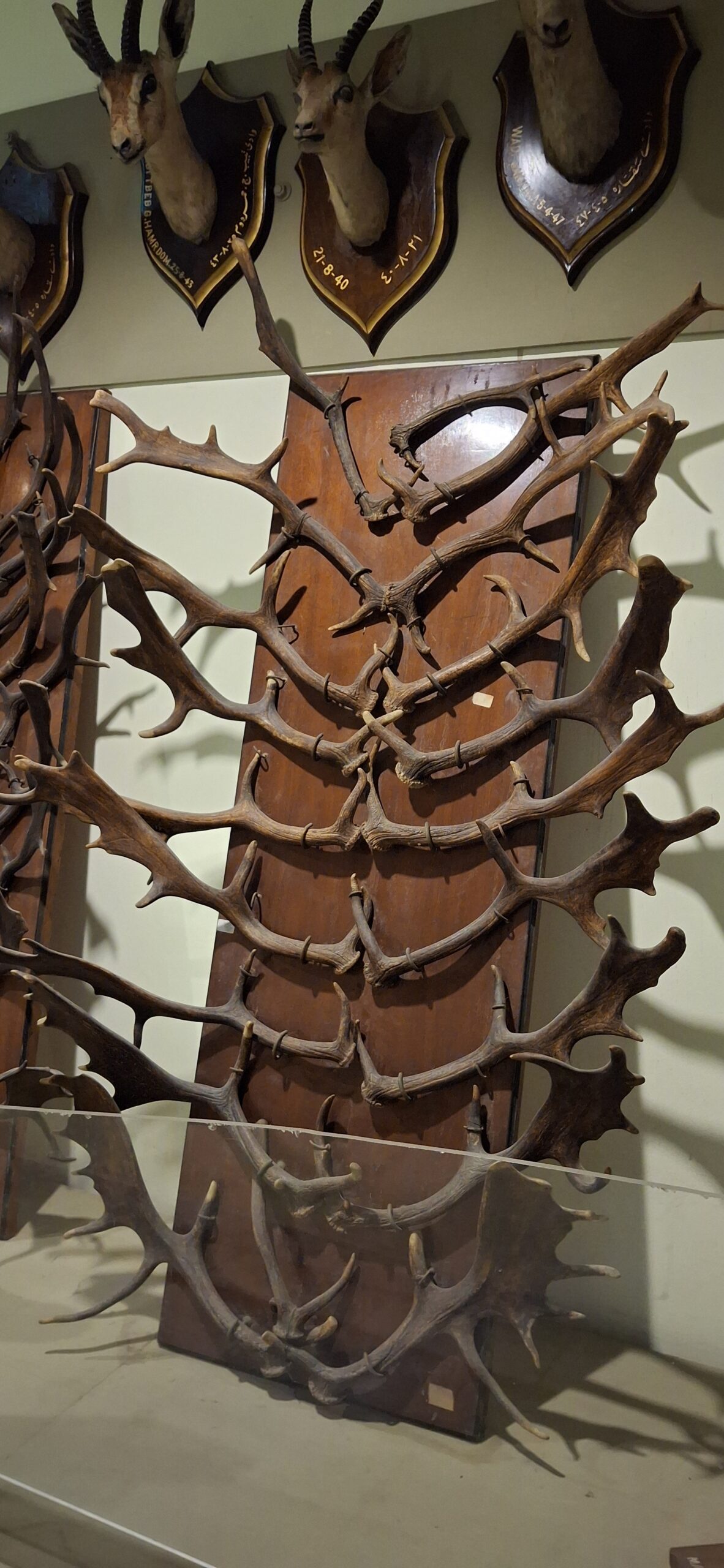
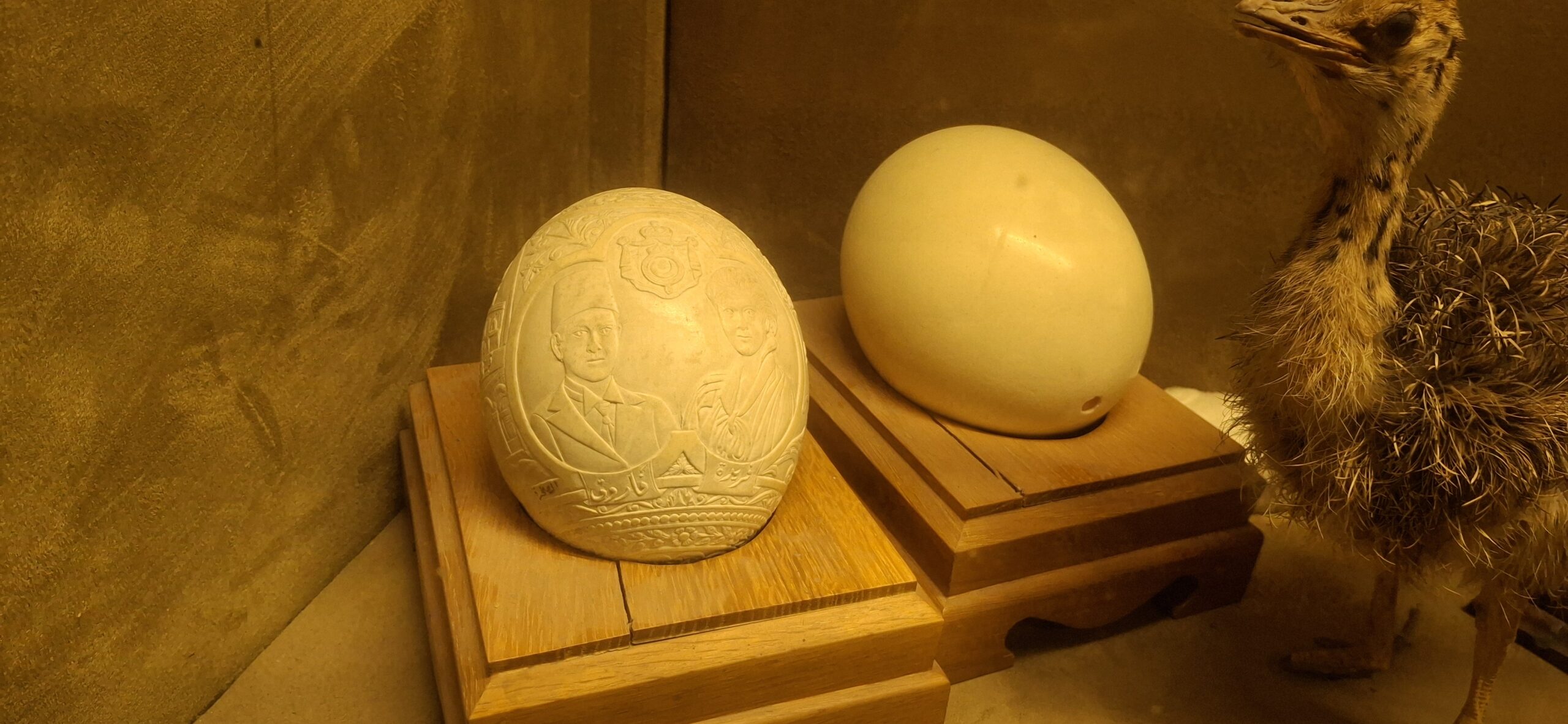
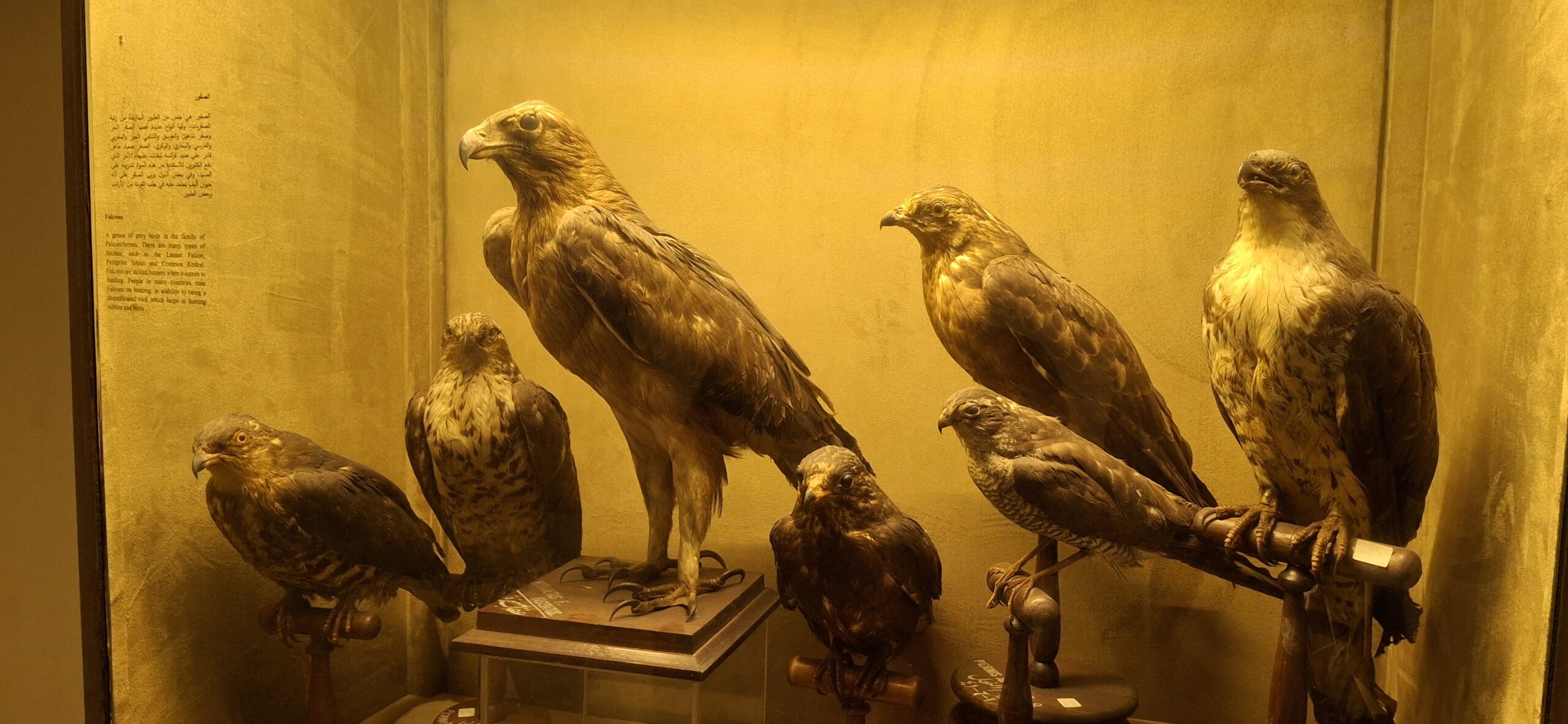
The Hunting Museum in Prince Muhammad Ali Palace is a fascinating collection showcasing the prince’s passion for wildlife and hunting. Located within the Manial Palace complex, the museum houses an extensive array of taxidermied animals, rare birds, and hunting trophies gathered from Egypt and around the world. In addition to Prince Muhammad Ali’s personal collection, the museum also features remarkable hunting gatherings from King Farouk, adding to its historical significance. The exhibits include meticulously preserved specimens, exotic animals, and tools used for hunting, reflecting the grandeur and adventurous spirit of the royal era. The museum’s intricate interior design complements its unique collection, creating an immersive experience for visitors. It stands as a testament to Egypt’s rich cultural heritage and the prince’s eclectic interests.